William Ruto's Path to Re-election: What the 2026 Polls Actually Show
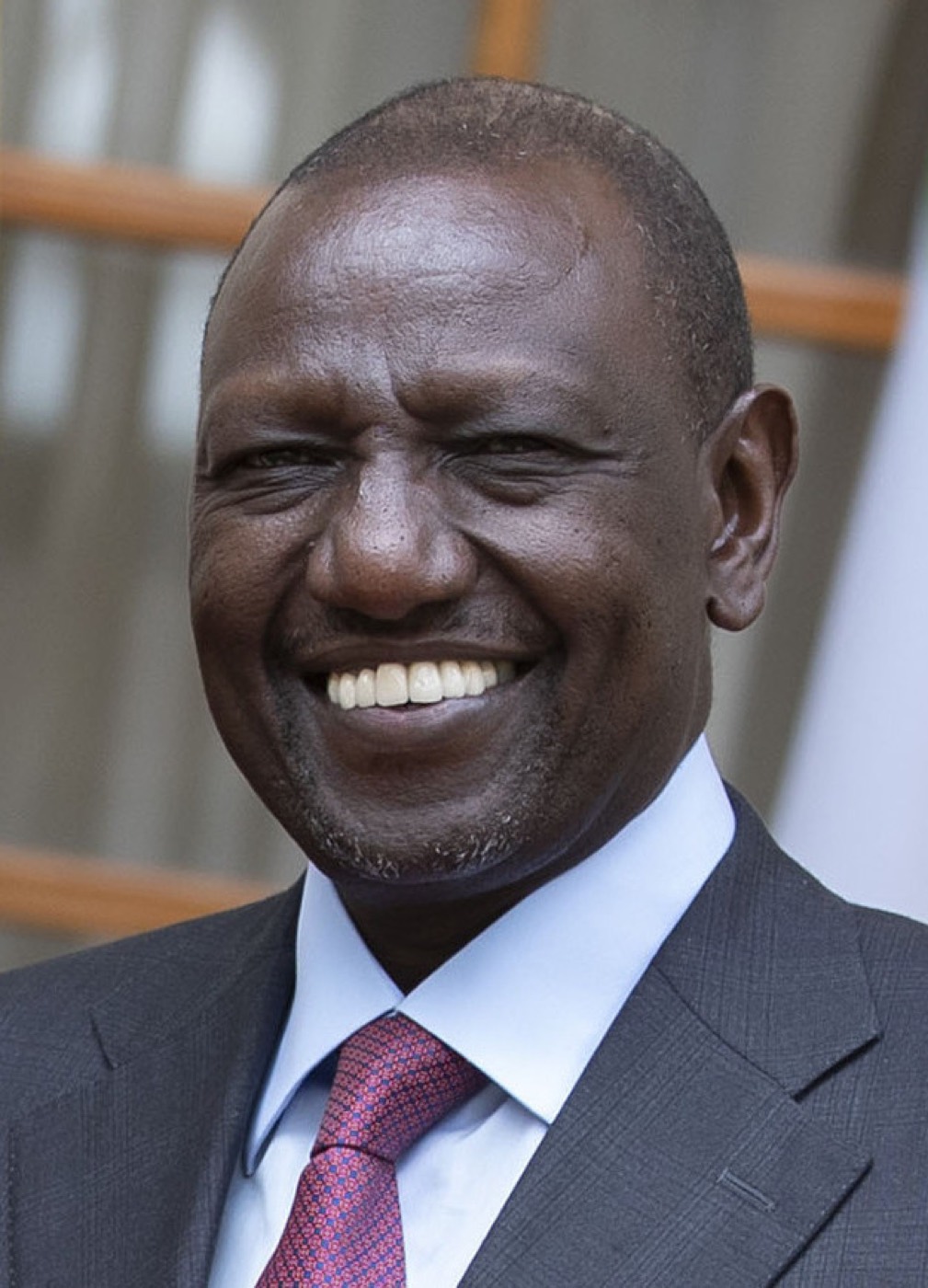
The most quoted number in Kenyan politics right now is 32 per cent.
That was President William Ruto's share in Infotrak's Voice of the People poll in mid-2026 — up from 21 per cent in August 2025 and 28 per cent in December 2025. In the same survey, KaKalonzo Musyokaad 13 per cent, EdEdwin Sifuna2 and Fred Matiang'i 12.
TIFA's readings over the same period were tighter, putting Ruto around 24 per cent with the opposition field bunched more closely behind him. Different houses, different methods, different numbers. Both show the same shape.
What the shape actually is
An incumbent recovering from a low base, against a field that has not consolidated.
That is it. And it is worth separating the two halves, because they are not the same thing and campaigns keep treating them as one.
The first half is real. Ruto's number has moved upward through 2026 in more than one series. Whatever you think of the government, a rising trend across a year is not noise.
The second half is the bigger story. Three opposition figures polling 12–13 per cent each add up to more than the incumbent. Whether that sum ever becomes one candidate is the question that decides 2027, and as of now nobody has answered it.
Why "unloved but ahead" is not a contradiction
Africa Confidential framed Ruto as "the unloved but unbeatable candidate", and the phrase captures something real about Kenyan polling: approval and preference are different questions.
A voter can tell a pollster the government is doing badly on the cost of living and still name the incumbent when asked who they would vote for, because the alternative is a list rather than a person. Approval measures satisfaction. Preference measures a choice against the available options. When the options are fragmented, preference flatters whoever is not fragmented.
What could change it
Consolidation. If the opposition names one candidate, every poll after that is a different poll. This is not a small effect; it is the whole variable.
The ODM arrangement. UDA and ODM have been moving toward a formal partnership, with ODM reportedly pressing for the deputy president slot — a demand that puts Deputy President KithurKithure Kindikiition into the negotiation. How that resolves affects both Mount Kenya and Nyanza.
Turnout. Kenyan turnout fell from about 86 per cent in 2013 to 78 in 2017 to 64.8 in 2022. Polls measure stated preference among people who answer the phone. They are weaker at predicting who actually queues. We wrote about that gap in the turnout piece.
The economy. The World Bank's July 2026 Kenya Economic Update projected growth slowing to 4.3 per cent in 2026 from 4.9, and 4.4 per cent in 2027. That is not a collapse, but it is not a tailwind either.
How to read polls without being fooled by them
Three habits, for anyone running a campaign:
Read the trend, not the point. A single number from a single house tells you almost nothing. Two houses moving the same direction over six months tells you something.
Check the undecideds. One poll in this period had roughly one in five voters undecided. In a race where the leader is at 32, that block is larger than the gap between second and fourth.
Ignore national polls for a ward race. National presidential preference does not predict your MCA result. What predicts your MCA result is how many households your team has actually spoken to and what they said. That is a number you can only have if somebody has been recording it, week by week, since 2026 — which is precisely the number most campaigns cannot produce and the reason we built a platform that does.
And a fourth habit: be sceptical of poll graphics on social media. Africa Check has already debunked at least one fabricated "Infotrak poll" circulating in this cycle. If a number is doing rounds without a link to the house that published it, assume it is invented.
Frequently Asked Questions
What is William Ruto polling for the 2027 election?
Infotrak's mid-2026 Voice of the People poll put him at 32 per cent, up from 21 per cent in August 2025 and 28 per cent in December 2025. TIFA's readings over the same period were lower, around 24 per cent, with a tighter opposition field.
Is Kenya's opposition polling higher than Ruto combined?
In Infotrak's mid-2026 reading, Kalonzo Musyoka (13%), Edwin Sifuna (12%) and Fred Matiang'i (12%) summed to more than Ruto's 32%, which is the arithmetic behind the push for a single opposition candidate.
How reliable are Kenyan opinion polls before an election?
They are more useful for trend than for level, and they measure stated preference rather than turnout. Fabricated poll graphics also circulate widely, so a number without an identifiable polling house behind it should be treated as invented.