Inside Naivasha: A Manifesto, a Running Mate and a Ten-Member Team
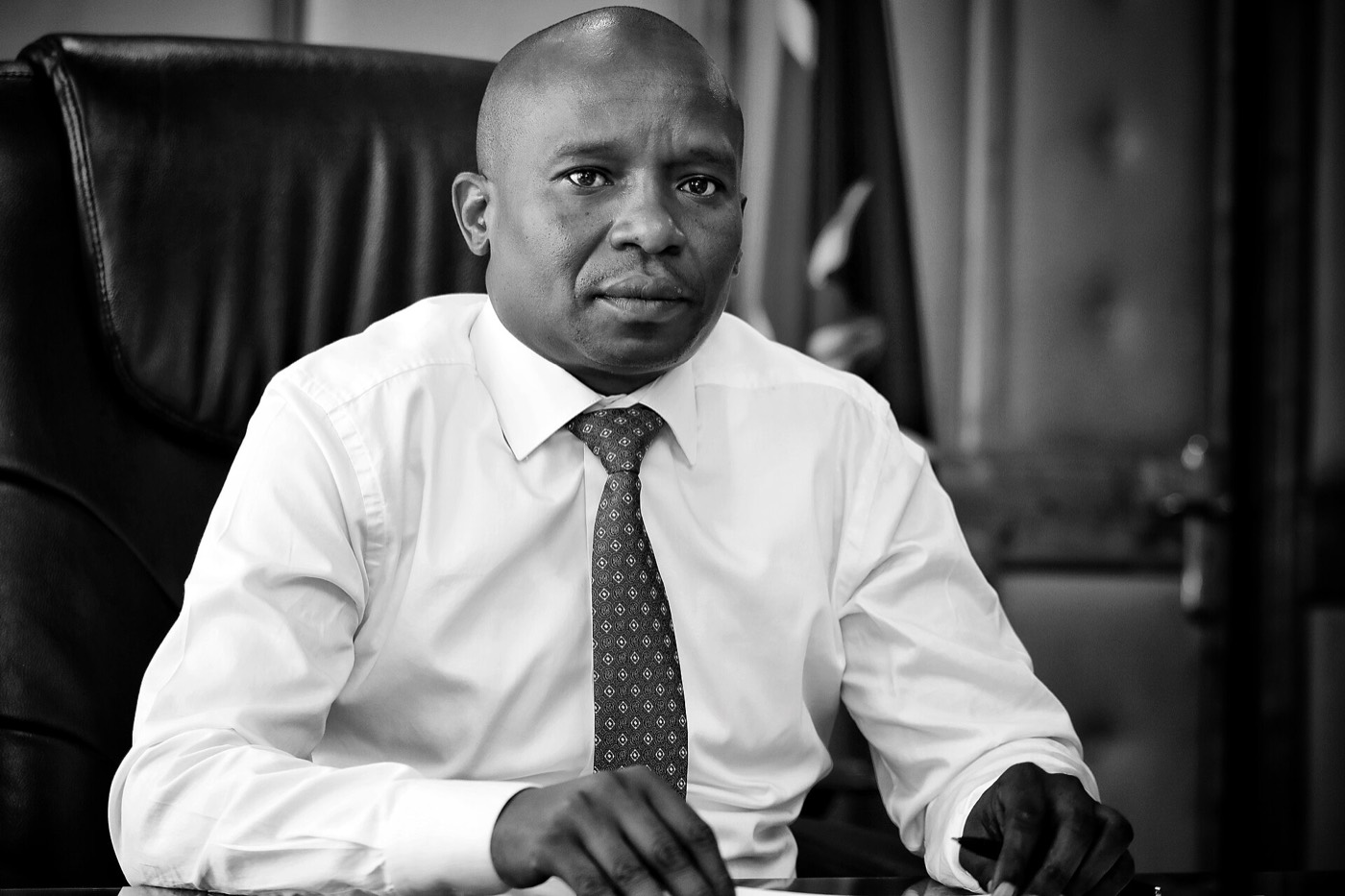
The three-day retreat at Naivasha brought together leaders from Kenya Kwanza and the broad-based government, with President William Ruto welcomed by Deputy President Kithure Kindiki, ODM party leader Oburu Oginga and Prime Cabinet Secretary Musalia Mudavadi.
A major expected outcome was the formation of a ten-member team, five from each side, to spearhead pre-coalition negotiations ahead of the 2027 presidential contest. Work on an election manifesto was to begin, and the running mate question was on the agenda.
Coming a year to the day before the election, the meeting also aligned the legislative agenda with the electoral calendar and identified policy requiring enactment before the end of the term.
What a ten-member negotiating team means
It means the hard questions have been delegated, which is what happens when a room cannot answer them.
That is not a criticism. A structured negotiation between five people from each side, with a mandate, is a more serious mechanism than a discussion among a hundred, and it is the standard way pre-election coalitions are actually assembled.
What it also means is that the running mate question was not settled at Naivasha, whatever was said about it there.
What the negotiation has to produce
A coalition agreement, in writing, deposited with the Registrar of Political Parties before the election. That document will contain the governing organs, the method of selecting the presidential candidate and running mate, and — critically for everybody below the top of the ticket — the arrangements for nominating candidates.
That last clause is where seats get zoned.
Why the manifesto matters more than it usually does
Because the arrangement's central political problem is that it is a coalition between a governing party and a party that opposed it, and the obvious question is what it is for.
A manifesto is the answer to that question. Without one, the arrangement looks like an accommodation between elites, which is exactly how its critics inside ODM describe it and exactly the argument driving the movement now touring the party's heartland.
So the manifesto is not a document for voters in the abstract. It is the coalition's justification to its own base, and it will be judged on whether it contains anything ODM's supporters would recognise as their own.
The ten-point agenda
The arrangement between the two sides was originally built on a ten-point agenda, and the retreat was expected to review implementation of it.
That review is the most checkable thing to come out of Naivasha. A coalition that can say which of ten commitments have been delivered, and evidence it, has an argument. One that cannot has a problem, because its own members will be asked in every ward.
What a member of either party should take from it
The negotiation will produce zoning decisions in your county, made by ten people, communicated afterwards.
Ask now — in writing — whether your seat is subject to an arrangement, and build the personal structure that survives the answer either way.
Related: how coalition agreements work.
What to watch from the negotiating team
Three checkable outputs, on a timeline.
Whether an agreement is deposited, and when. A pre-election coalition agreement is filed with the Registrar of Political Parties. Its existence is a fact, and its timing tells you how much room down-ballot candidates will have to respond to it.
Whether the running mate is named before nomination rules are certified on 30 October 2026. If it is settled first, the rules can reflect it. If not, the rules will be written around an unresolved question.
Whether the manifesto contains anything ODM's base would recognise. That is the coalition's justification to its own supporters, and it is being contested in Nyanza right now by a movement built on the argument that there is nothing there.
All three are visible by early 2027, which is when down-ballot aspirants will have to make decisions with or without them.
Frequently Asked Questions
What did the Naivasha retreat produce?
The formation of a ten-member team, five from each side, to lead pre-coalition negotiations ahead of 2027, the start of work on an election manifesto, and a review of the ten-point agenda underpinning the arrangement.
Was the running mate question settled at Naivasha?
No. The question was on the agenda but was delegated to the pre-coalition negotiating team, which is what typically happens when a large meeting cannot resolve an indivisible issue.