Kenya's Parliament Has an Attendance Problem
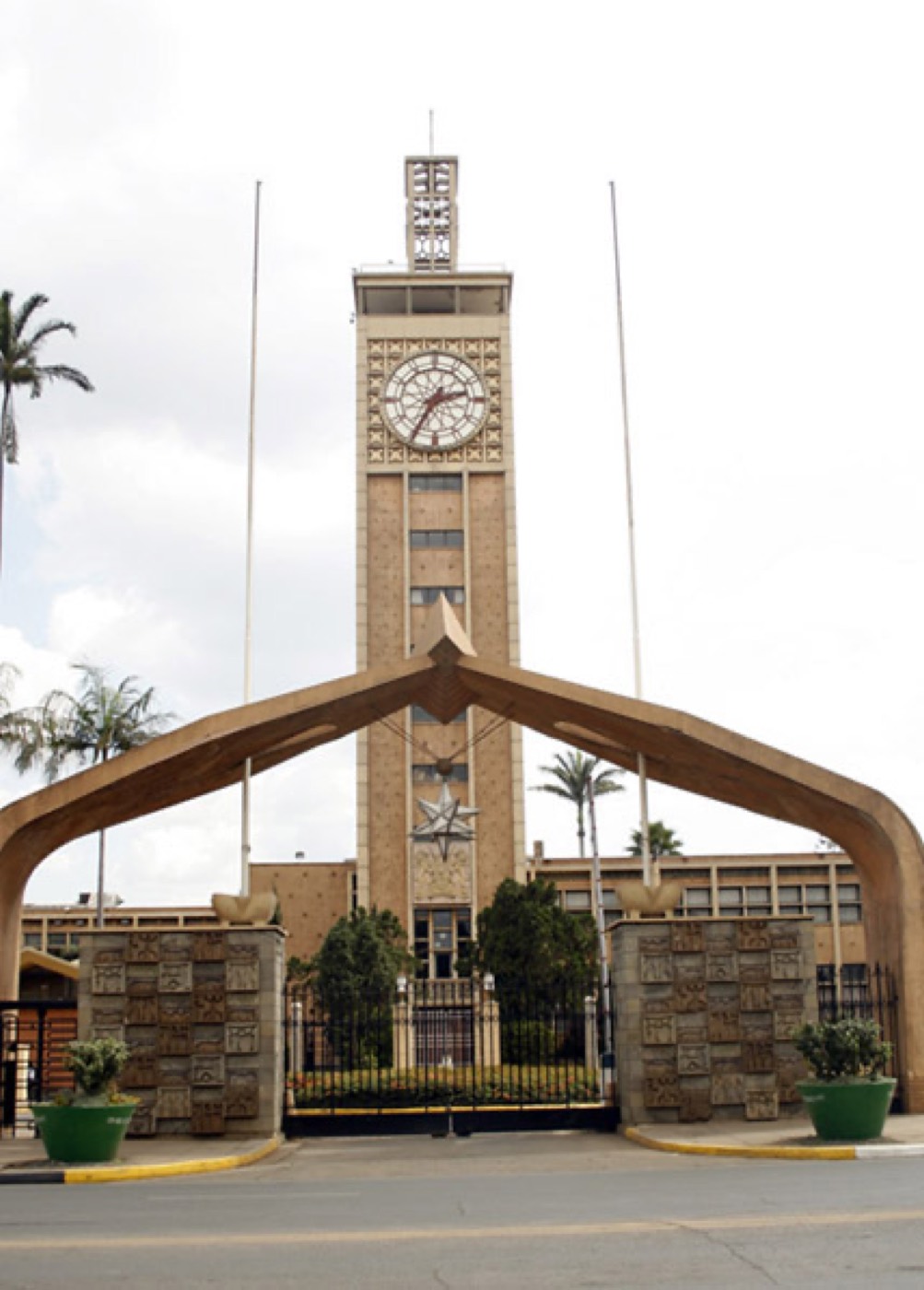
On the most consequential vote of Kenya's parliamentary year, 187 of 349 members of the National Assembly were absent.
The instinct is to call that laziness. It is not. It is a rational response to an incentive structure that punishes being recorded and does not punish being absent.
The two-audience problem
A Kenyan MP faces two audiences on a tax vote and cannot satisfy both.
Constituents are experiencing a cost-of-living squeeze and will see a yes vote as approving new taxes.
Party leadership controls nomination for the next election and notices a no vote.
Absence is the only option that leaves no record for either audience. That is not cowardice so much as arithmetic.
Why there is no sanction
Kenya has essentially no working mechanism for making a parliamentary record matter.
No practical recall. The constitutional provision exists; the procedural requirements have made it effectively unusable.
No party sanction. Parties discipline members for defying a whip, not for failing to turn up.
No disclosure at the point of decision. A voter at a polling station in August 2027 will see a name and a symbol on a ballot paper. Nothing on that paper indicates how the incumbent voted or how often they were present.
No civic infrastructure that reaches voters. Attendance and division records are published. Almost nobody outside Nairobi ever sees them.
What would actually change it
Three things, in ascending order of difficulty.
Publication that reaches the ward. Not a website. A number a challenger puts on a leaflet and says at a door.
Party rules that count attendance in nomination. Parties certify nomination rules ahead of each cycle, and nothing prevents a party from weighting attendance. None does.
A working recall procedure. The hardest, and the only one that would change behaviour rather than reporting.
The opportunity for a challenger
This is where the argument becomes practical rather than despairing.
An MP's attendance and voting record is public, specific, dated and undeniable. It is the single most powerful campaign material available to a parliamentary challenger in Kenya, and it is used almost never.
"On the Finance Bill 2026, your MP was not in the chamber" is a sentence that needs no adjectives. It cannot be answered with a counter-accusation and it cannot be denied.
The reason it is not used is not that challengers do not know it. It is that delivering it door to door across a constituency, and knowing which households have heard it, requires an organised canvassing operation with records — and most challengers do not have one.
That is a solvable problem, and it is the one BallotWinners was built for: a coordinator per ward, households visited and what was said recorded at the door, so a fact delivered in June 2026 is a fact you can return to in July 2027.
Related: the Finance Bill vote itself.
What good attendance data would look like
Three things, none of them technically difficult.
A published attendance figure per member per session, in a format that can be printed on a leaflet rather than downloaded as a PDF.
Division records as structured data, so that anybody can build a simple lookup by constituency rather than reading a Hansard entry.
A standard question at every public forum: were you there.
Kenya has the raw material for all three already. Hansard exists, divisions are recorded when they are demanded, and the House publishes its proceedings. What is missing is the last mile — turning a public record into something a voter in a ward actually encounters.
That is not a job for Parliament. It is a job for challengers, civil society and journalists, and it is one of the cheapest accountability interventions available in Kenyan politics.
Frequently Asked Questions
How many Kenyan MPs missed the Finance Bill 2026 vote?
187 of the National Assembly's 349 members. Only 162 participated, with 122 voting in favour and 40 against.
Can Kenyan voters recall an MP?
A recall provision exists in the Constitution, but the procedural requirements have made it effectively unusable in practice, so there is no working sanction for poor attendance or unpopular votes between elections.