Kisumu Marched Against Marching. That Is Worth Understanding.
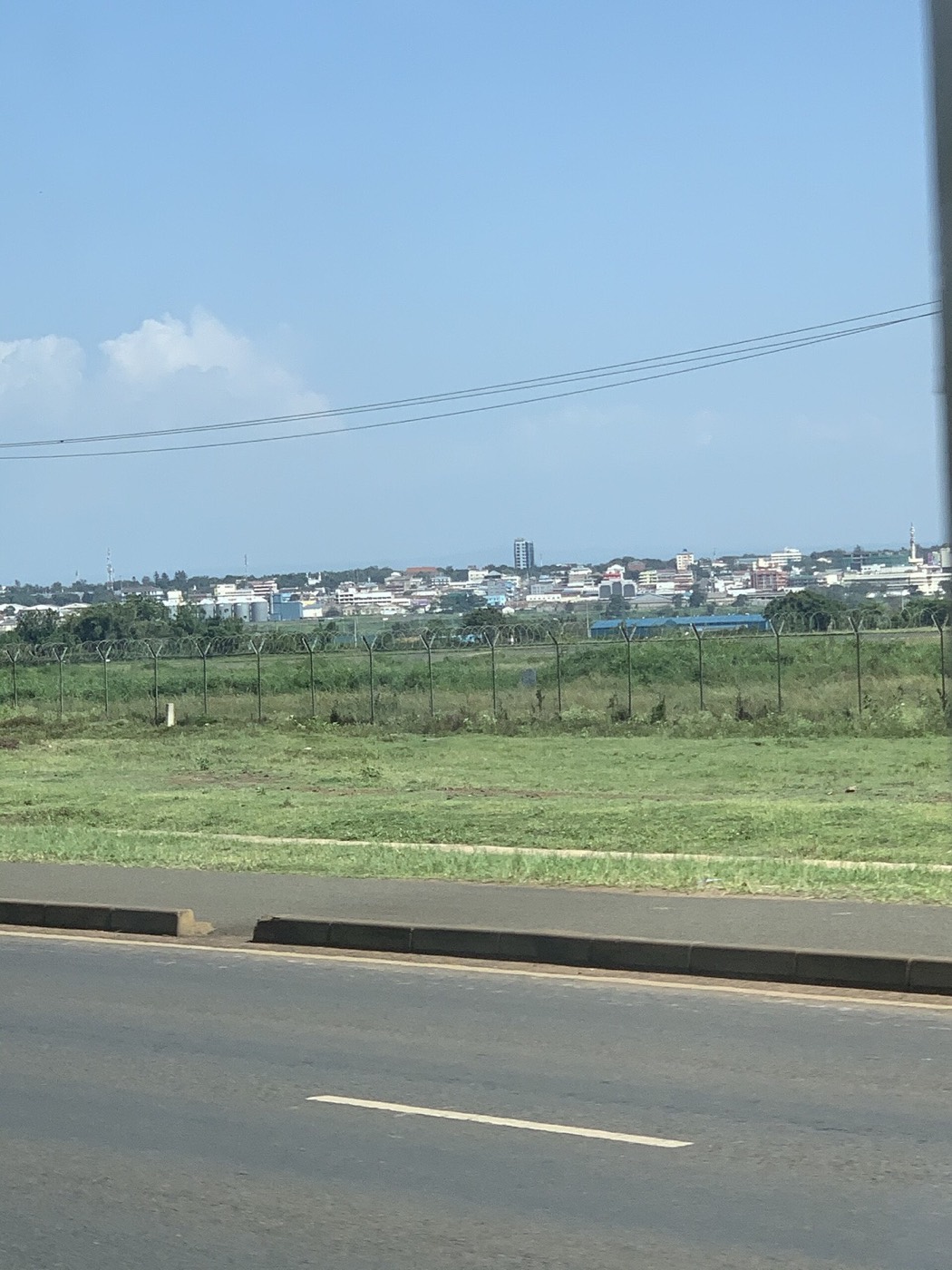
On the day before the anniversary of Kenya's Gen Z protests, hundreds of people marched peacefully through Kisumu — urging fellow residents not to take part in the demonstrations planned for the following day.
A protest against protesting. It is easy to read that cynically and worth reading carefully instead.
The three plausible readings
Protest fatigue. Two years of demonstrations, deaths, disappearances, closed businesses and no resolution produces exhaustion. That is not apathy; it is a considered judgement that the cost is being paid by the same people every time and the benefit is not arriving.
Economic self-interest. A city where the central business district closes for a day loses a day's trade, and the people who lose it are traders, matatu operators and casual workers rather than anybody in the argument.
Local political organisation. Counter-mobilisation of this kind does not happen spontaneously. Somebody organised it, and who that was is the interesting question.
All three are probably true simultaneously, in different proportions among the people who marched.
Why Kisumu specifically
Kisumu has one of the longest continuous histories of political protest in Kenya, and one of the longest histories of paying for it. Protest in Kisumu has historically been met with force, and the city has buried people after every major national confrontation for decades.
A city with that history producing a march against marching is not a city that has stopped caring. It is a city with an unusually well-informed view of what a demonstration costs.
What it tells you about the national picture
Kenyan reporting on the 2026 anniversary described the nationwide call as rapidly losing momentum, exposing political exhaustion and a fractured opposition.
That is a significant finding for 2027, and it cuts in an unexpected direction.
A movement that cannot mobilise is not a movement that has disappeared. The grievances — cost of living, unemployment, police conduct, accountability — are all still there and all still unresolved. What has changed is the assessment of whether the street is the place to raise them.
Energy that leaves the street does not evaporate. It either goes into the register, or it goes nowhere.
The opportunity nobody is taking
That is a genuine, time-limited opening, and almost no Kenyan campaign is positioned to use it.
A young person who has concluded that demonstrations do not work and who has not concluded that voting works either is, right now, undecided about participation itself. That is a much more winnable position than partisan opposition.
What would win them is not a rally. It is somebody turning up, asking what they actually want, writing it down, coming back, and helping them register.
Continuous Voter Registration is open. Of the millions of new voters the IEBC is targeting, the 18-to-20 group is the lowest-performing in the country. Those two facts together are the whole opportunity, and it closes when the register does.
Related: why Gen Z is still missing.
The pattern to watch for
Counter-mobilisation is a signal, and it is worth reading properly rather than dismissing.
When people organise publicly against a protest in a city with a long protest tradition, one of three things is usually happening: the cost has become intolerable to a group that previously bore it silently, a rival political structure is asserting itself, or genuine disagreement has emerged about tactics within a broadly shared position.
The third is the most interesting and the least reported, because it does not fit either of the available narratives — that the movement is united and righteous, or that it is manipulated and spent.
Movements that survive disagree about tactics openly. Movements that cannot have that argument fracture instead.
Frequently Asked Questions
Why did people march against the protests in Kisumu?
Hundreds marched peacefully urging residents not to join the planned national demonstrations, in a city with a long history of political protest and of paying a heavy price for it. Protest fatigue, economic cost and local organisation all played a part.
Did Kenya's 2026 protest anniversary draw large crowds?
Reporting described the nationwide call as rapidly losing momentum, with heavy policing and comparatively small turnout, exposing political exhaustion and a fractured opposition.