Midday, and One Ward Is Behind. What to Actually Do About It.
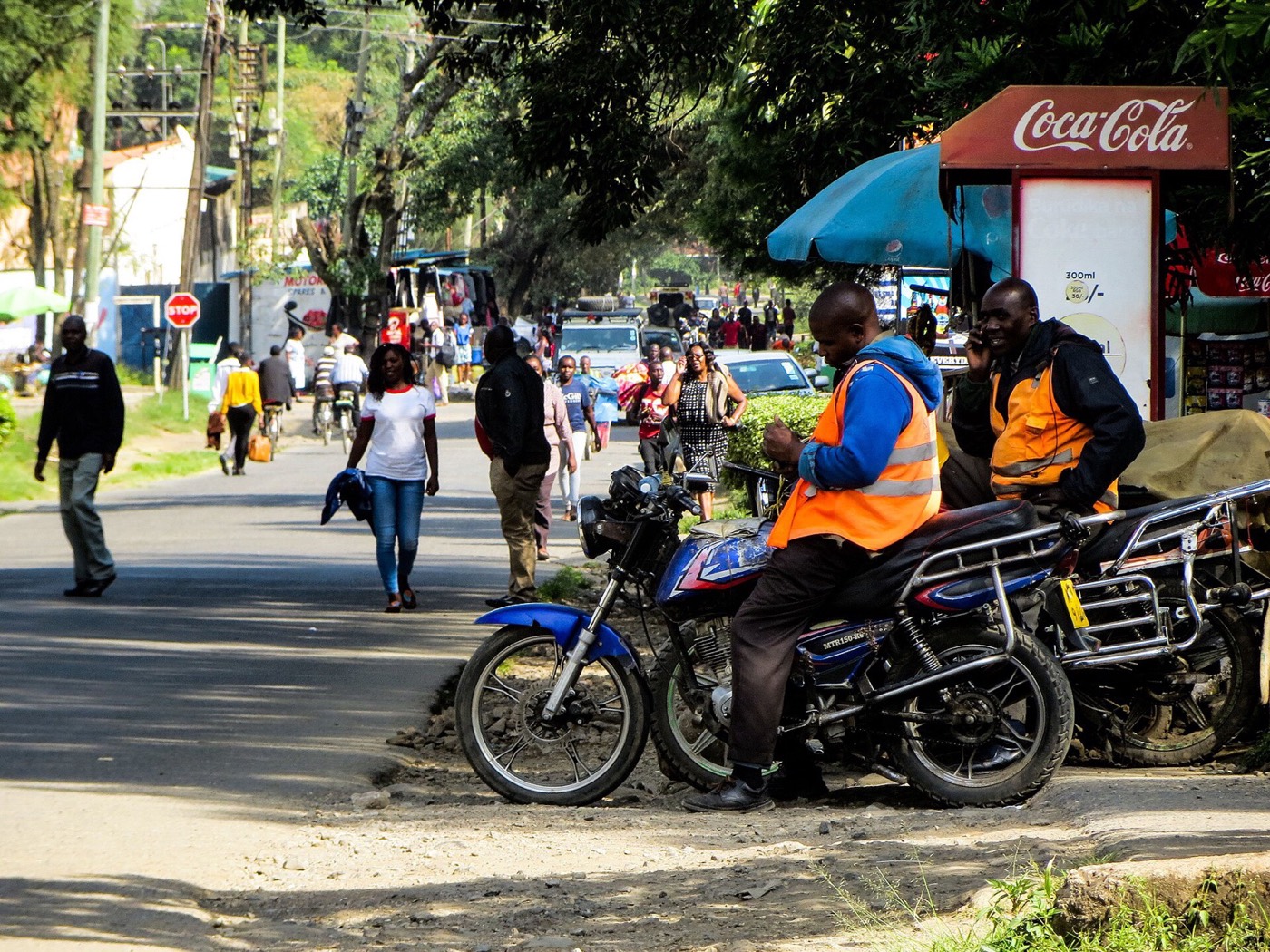
It is midday on 10 August 2027. One ward is reporting well below the others, everybody in the room wants to do something, and the instinct is to send people and vehicles there immediately.
Wait ten minutes. The ten minutes will pay for themselves several times over, because there are three completely different reasons for that number and only one of them is fixed by sending people.
Check the instrument before you check the ward
The commonest cause of a ward that looks catastrophic at midday is that it has not reported properly.
A coordinator with a dead phone. An agent who sent a figure for one stream in a station that has four. A number written into the wrong row. A ward that reported at ten and has been silent since, sitting on your board next to wards that reported at twelve.
Call the coordinator first. Ask for the figure stream by stream and write it down while they speak. Campaigns have spent whole afternoons rescuing wards that were never in trouble, and the cost of that mistake is paid by the ward that actually was.
Related: how the reporting chain should be built.
Three causes, three different answers
Once you trust the number, work out which of three things you are looking at.
Slow processing. The queue is long and moving badly. Voters are present and being served slowly, which can happen where identification is taking time or a station is short of streams. This is not a turnout problem and mobilisation will make it worse by lengthening the queue. What helps is your agent making sure the presiding officer knows the queue is building, and your people telling waiting voters that anyone in the queue when the station closes is entitled to vote, so they should not go home.
Genuine low attendance. The queue is short and the roll is not moving. This is the one that responds to mobilisation, and it is the one to spend the afternoon on.
Your own absence. The ward is quiet because your structure there is thinner than you believed. Nobody is knocking, nobody has a list, and the coordinator is covering more streams than one person can cover. You cannot fix that at midday. Note it, work the parts of the ward where you do have people, and be honest with yourself about it afterwards.
What you can actually move at midday
Less than you think, and enough to matter.
Volunteers who are already in the constituency and not tied to a stream. They can be redirected within about an hour if you know where they are.
Phone effort, which moves instantly. Anybody with a phone and a list of names in that ward can work it from anywhere.
The candidate's own afternoon, which is a real asset and a blunt one.
What you cannot move is an agent. An agent leaving a stream to mobilise is a stream with no witness, and you will not get that hour back when the count starts. This rule holds even when the ward looks desperate, because a lost witness at the count is a permanent loss and an unpersuaded voter is a recoverable one.
Related: why the agent stays in the room.
The ward you must not strip
The temptation is to pull people out of your strongest ward, because that is where your people are.
Resist it for one reason. Your strongest ward is strong partly because your people are in it working, and turnout in a strong ward is not a fixed quantity that has already been banked. Campaigns have rescued a weak ward by a few hundred votes and lost more than that from the ward they emptied to do it.
Take from the middle. Wards that are performing as expected and are not marginal for you are where an hour of somebody's time is worth least.
The honest limit
By mid-afternoon a ward is broadly what it is going to be.
A late push works on people who intended to vote and had not yet gone. It does not work on people who were never persuaded, and it does not work at all on people who are not on the register, which is a decision that was made long before 10 August 2027.
Say that plainly in your own command room. A campaign that believes the afternoon can fix anything will spend the afternoon everywhere and achieve nothing.
Related: what turnout work looks like when there is still time.
Prepare the response in 2026, not at midday
The only reason any of this is possible on the day is that somebody built the list first.
For every ward, you want a named list of your identified supporters with phone numbers, a coordinator who knows which streets are which, and a small number of volunteers who are not assigned to a stream and can be moved. Build those three things during 2026 and the midday decision becomes a phone call. Skip them and the decision becomes a convoy driving toward a ward with no idea whose door to knock on.
Frequently Asked Questions
What is the first thing to check when a ward reports low turnout?
The reporting, not the ward. A dead phone, a figure sent for one stream in a station with four, or a ward that simply has not reported since morning will all look like collapsing turnout on your board. Call the coordinator and take the figures stream by stream before you move anybody.
Should polling agents be sent out to mobilise if turnout is low?
No. An agent who leaves a stream to mobilise leaves that stream unwitnessed, and you cannot recover a missed count later in the evening. Move volunteers who are not assigned to a stream, use phone effort, and use the candidate's own afternoon, but leave the agents where they are.
Can a late afternoon push actually change a ward result?
It can move people who intended to vote and had not yet gone, which in a close ward is worth having. It does not persuade people who were never persuaded, and it cannot reach anybody who is not on the register. Being honest about that limit is what stops a campaign spreading its last three hours across everywhere and achieving nothing.