Mount Kenya East and Mount Kenya West, Explained
National coverage of Kenyan politics treats Mount Kenya as one thing. Inside the region nobody does, and the distinction is now driving a national argument.
The geography
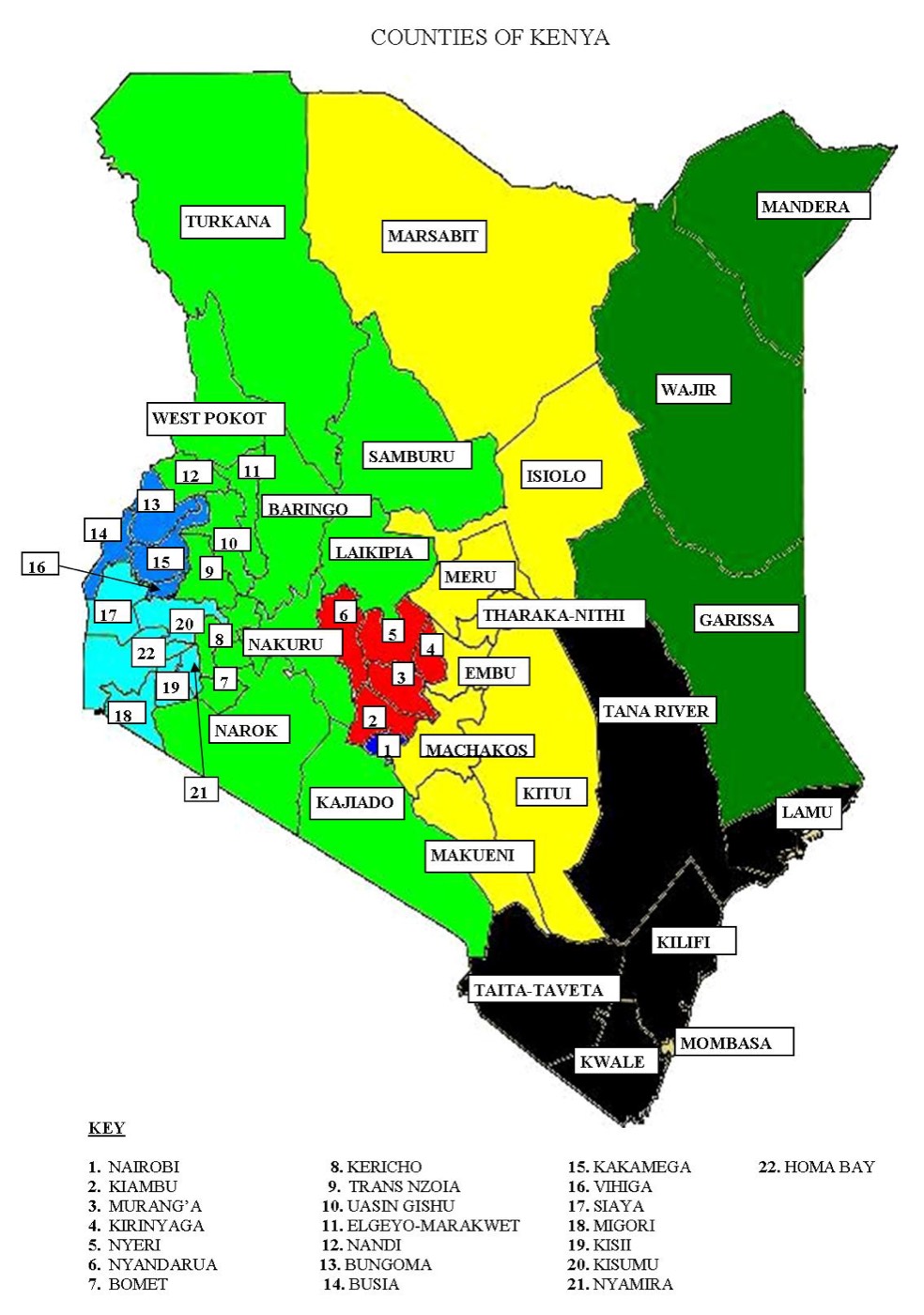
Mount Kenya West, broadly, is the Kikuyu-majority counties: Kiambu, Murang'a, Nyeri, Kirinyaga, Nyandarua, together with the diaspora populations in Nakuru and Laikipia.
Mount Kenya East, broadly, is Meru, Tharaka-Nithi and Embu — Meru, Tharaka and Embu communities, culturally and linguistically related to but distinct from the west.
Politically the two have generally moved together in national elections and competed against each other for position within whichever coalition they were in.
Why the distinction is surfacing now
Because of the running-mate question.
Mount Kenya East's argument, made openly through 2026, is that the West has historically held the region's senior positions and it is the East's turn. Leaders from the eastern bloc have pressed their western counterparts to back Deputy President KiKithure Kindikiand the Mount Kenya East Councils of Elders resolved to back him unconditionally — both to keep the deputy presidency in 2027 and to support his ambition to become the first President from Mount Kenya East.
That is a two-part claim: the slot now, the top of the ticket in 2032.
Why the argument has traction
Because it is straightforwardly true that senior national positions from the region have historically gone west, and because Kenyan political culture accepts turn-taking as a legitimate basis for a claim.
It also has an obvious weakness: turn-taking arguments are about who gets something, not about what is done with it, and they are least persuasive to voters who feel the region as a whole has received nothing.
The complication
The same region is producing the government's heaviest by-election defeats. The Ol Kalou result in Nyandarua — a Mount Kenya West county — went against the government's party by better than six to one.
So the region is simultaneously arguing about which of its halves should hold the senior slot on the government ticket, and voting heavily against that ticket locally.
Both can be true. A regional elite negotiating for position and a regional electorate expressing grievance are different actors with different interests, and Kenyan politics has repeatedly demonstrated that the second does not follow the first.
What it means for an aspirant
If you are running anywhere in Mount Kenya, the national argument about east and west will not win you a ward.
What will is the thing that is true in every contested region: a personal local record. Problems residents raised, pursued, and closed, with the household knowing who did it. Logged as it happens, ward by ward, over the thirteen months that remain.
That is not a counsel of despair about regional politics. It is the observed difference between candidates who survive a regional swing and candidates who are carried away by one.
Related: why Mount Kenya turned.
The numbers behind the argument
Mount Kenya West is substantially larger. Kiambu alone is among the most populous counties in the country, and the western counties together carry a voting weight the eastern ones do not match.
That asymmetry is why the turn-taking argument exists at all. In a pure numbers contest the west wins every internal negotiation, so the east's claim has to be framed as fairness rather than as arithmetic.
It is also why the argument is fragile. A turn-taking claim depends on the larger party accepting an obligation it is not compelled to accept, and there is no mechanism that enforces it — as the region has just watched happen at national level.
And why voters may not follow either way
Regional elites negotiating for position and regional electorates expressing grievance are different actors. Nyandarua, a Mount Kenya West county, produced a six-to-one by-election defeat for the government while this negotiation was under way.
Frequently Asked Questions
What is the difference between Mount Kenya East and West?
Mount Kenya West broadly covers the Kikuyu-majority counties of Kiambu, Murang'a, Nyeri, Kirinyaga and Nyandarua with diaspora populations in Nakuru and Laikipia. Mount Kenya East covers Meru, Tharaka-Nithi and Embu.
Why does the Mount Kenya East and West split matter for 2027?
Because Mount Kenya East is arguing that senior national positions from the region have historically gone west and that it is now the east's turn, which is shaping the negotiation over the deputy presidency.