Mount Kenya East's Elders Made a 2032 Bet
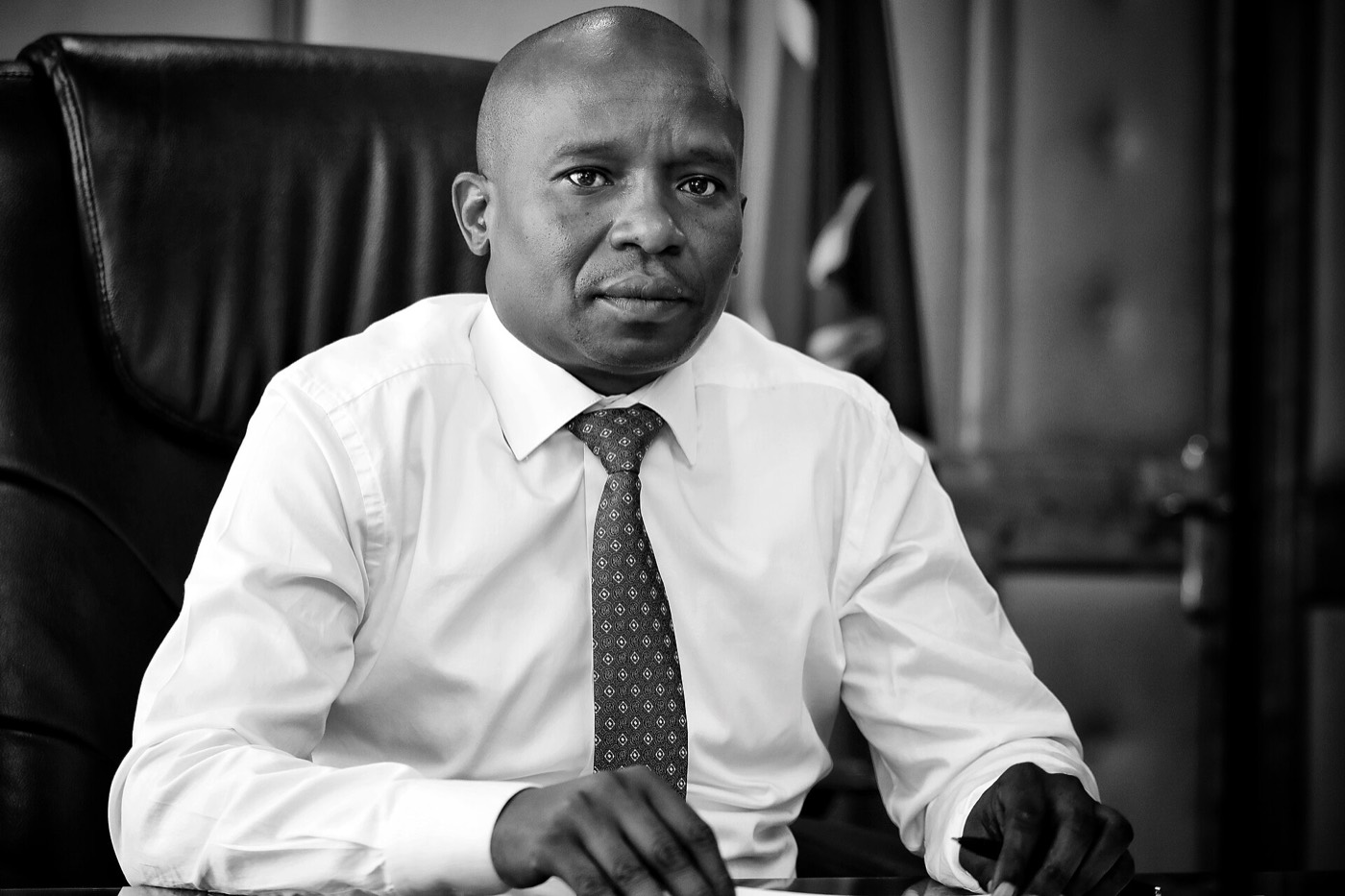
The Mount Kenya East Councils of Elders have resolved to support Deputy President Kithure Kindiki unconditionally — as Deputy President, and in his future ambition to become the first President from Mount Kenya East.
Two commitments in one resolution: the slot in 2027, and the top of the ticket in 2032.
Why elders' endorsements still matter
Less than they once did, and more than urban commentary assumes.
Councils of elders in Kenya do not deliver votes directly. What they confer is a claim to legitimate representation — a statement that a figure speaks for a community rather than merely coming from it.
In a negotiation over who represents a region on a national ticket, that is exactly the currency being traded. An endorsement of this kind is aimed at the negotiating table rather than at voters.
The two-part structure
The 2032 half is the substantive one.
Asking a region to support a candidate now on the understanding of a return later is the standard mechanism of Kenyan coalition politics, and it has a consistent record: the promise is made publicly, honoured occasionally, and disputed loudly when it is not.
Recent Kenyan history contains a vivid demonstration of what happens when a region believes it delivered a presidency and was not repaid, and that demonstration is currently producing six-to-one by-election defeats a hundred kilometres away.
So Mount Kenya East is making a bet with a known failure mode, in full view of the failure mode.
The pressure on Mount Kenya West
Leaders from the eastern bloc have been pressing their western counterparts to back Kindiki, on the argument that senior national positions from the region have historically gone west and it is the east's turn.
That is a turn-taking claim. It is legible in Kenyan political culture, and it has an obvious limit: turn-taking arguments are about who receives something, and they are least persuasive to voters who feel the region as a whole has received nothing.
The threat neither half is addressing
The slot may leave Mount Kenya entirely.
Reporting on the UDA–ODM negotiation says ODM has sought the deputy president position. If that is the trade, then the argument between Mount Kenya East and West is a competition for something that is being sold elsewhere.
What a candidate in either half should do
Not wait for the outcome.
The regional negotiation will be settled by a small number of people and communicated afterwards. What a ward or constituency candidate controls is whether their own support survives whichever way it goes — and the only thing that reliably does is a personal record: problems raised by residents, pursued and closed, logged as they happen.
Twelve months is enough to build that. It is not enough to start building it in July 2027.
Related: Mount Kenya East and West explained.
What a 2032 promise is actually worth
Kenyan political history offers a consistent answer: it depends entirely on whether the person making it is still in a position to honour it, and on whether they want to.
Promises about a subsequent cycle are made in a context that will not exist when they fall due. Coalitions dissolve. Principals fall out. New figures emerge. A commitment given in 2026 about 2032 has to survive an election, a full term and whatever happens inside both.
That is not an argument against making the bet — a region with no claim is worse off than one with a disputed claim. It is an argument for hedging it: supporting the claim while building the local structures that give the region leverage regardless of whether the promise is kept.
Regions that have relied entirely on a promise have generally been disappointed, and the most recent example is being litigated at ballot boxes right now.
Frequently Asked Questions
What did Mount Kenya East elders decide about Kindiki?
The Mount Kenya East Councils of Elders resolved to back Deputy President Kithure Kindiki unconditionally, both to retain the deputy presidency in 2027 and in his ambition to become the first President from Mount Kenya East.
Do councils of elders deliver votes in Kenya?
Not directly. What they confer is a claim to legitimate representation — that a figure speaks for a community rather than merely coming from it — which is the currency in negotiations over regional representation on a national ticket.