The Opposition Agreed on One Candidate in Ol Kalou. That Was the Real Test.
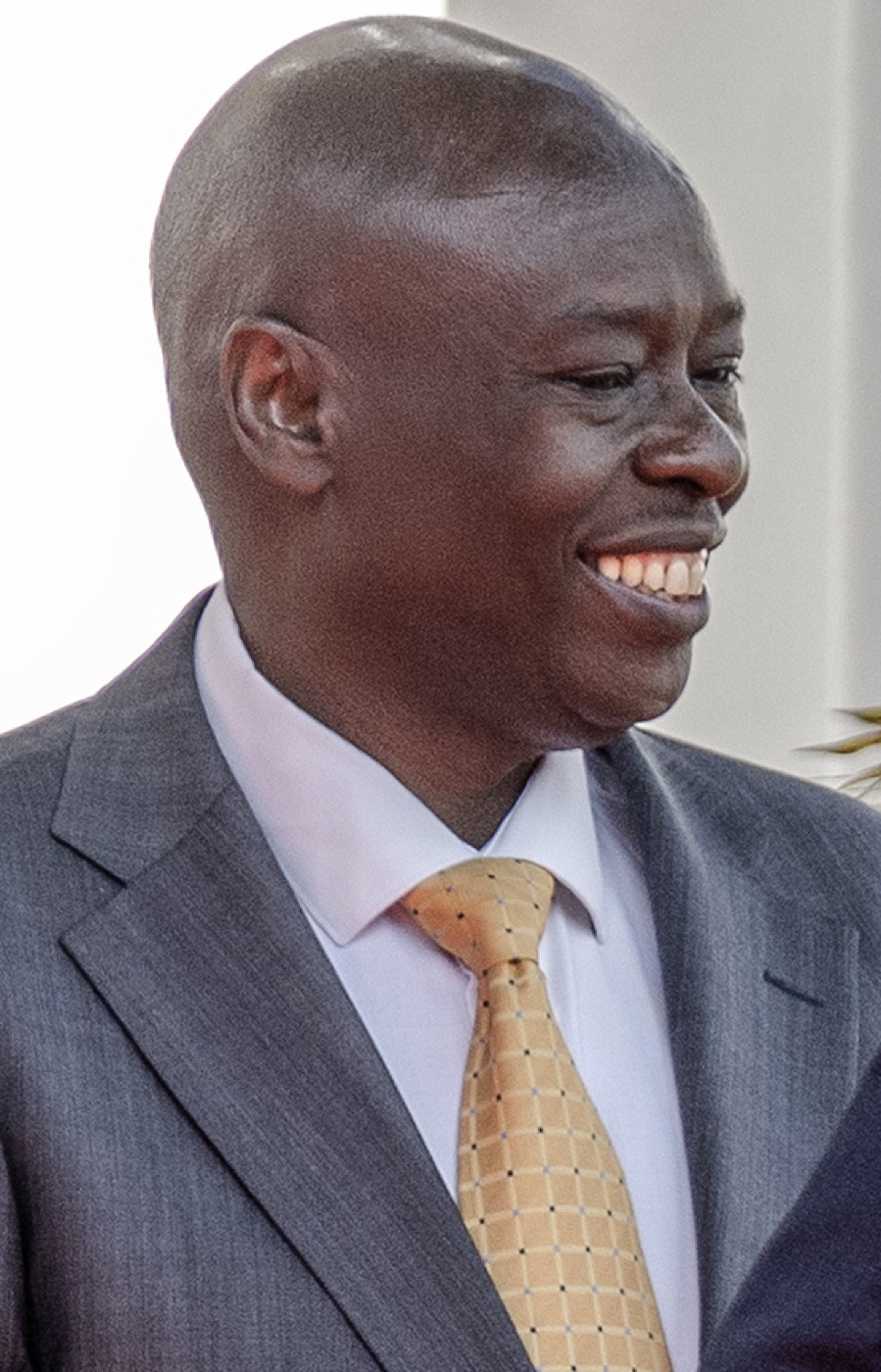
Kenya's united opposition has resolved to field a single candidate in the Ol Kalou parliamentary by-election, saying the decision is about consolidating opposition strength and prioritising national interests over individual ambitions.
One seat. One agreement. It sounds minor next to the unresolved presidential question, and it is a more meaningful test than it appears.
Why a one-seat deal is a real test
Because it requires the same thing the presidential decision requires, in miniature: somebody has to agree not to run.
Every argument that has stalled the presidential selection — competing ambitions, distrust about method, the absence of anybody willing to lose — exists at constituency scale too. A coalition that cannot resolve it for one parliamentary seat has no realistic chance of resolving it for the presidency.
So watching how this one was settled, and whether it holds through polling day, tells you something about what a 2027 arrangement could look like.
What a single opposition candidate is worth in practice
Arithmetically, a lot in a first-past-the-post seat.
In a constituency where the government side runs one candidate and the opposition runs three, the government side can win a seat where a clear majority of voters preferred an opposition candidate. This is the most basic fact in Kenyan constituency politics and it repeats every cycle.
A single agreed candidate removes that, at the cost of three parties each giving up a chance to demonstrate local strength — which is precisely what parties building toward 2027 want to demonstrate.
That tension does not go away. It is the whole difficulty.
The thing a coalition candidate still has to do
Here is what an agreement in Nairobi does not deliver.
An agreed candidate still needs, in the constituency:
- Agents at every polling stream, because the parties that stood aside do not automatically supply theirs.
- A combined volunteer operation, which means three sets of local structures actually working together rather than three sets of leaders shaking hands.
- One voter-contact record, so that three parties knocking the same doors is not what happens.
Every one of those is an operational problem, and coalition agreements routinely fail at exactly this point. The principals agree; the ward teams never merge; election day arrives with three half-operations and no coordination.
A shared list is the difference. When every volunteer, coordinator and agent for a joint candidacy sits in one place — with a named person against every polling stream and the empty ones visible to whoever is responsible for filling them — a coalition on paper becomes a coalition on the ground. That is what BallotWinners is built to do for a ticket, and it is the least discussed reason coalitions underperform their arithmetic.
What to watch
Two things on polling day.
Whether the parties that stood aside actually supply people. Agents, transport, mobilisation. If they do, the model works. If they issue a statement and stay home, it does not.
The margin against turnout. A united opposition candidate winning on very low turnout is a different result from one winning on high turnout, and only the second tells you anything about 2027.
Related: why the opposition missed its own deadline.
The three ways joint tickets fail on the ground
Worth naming, because they are avoidable and they recur.
Agents are not supplied. The parties that stood aside do not send their polling agents, so the joint candidate covers the constituency alone with a third of the people they were promised. This is the most common failure and the most damaging, because it happens on the one day it cannot be fixed.
Local structures never merge. The principals shake hands; the ward coordinators of three parties continue to operate separately, duplicate work and compete for the same volunteers.
Nobody owns the voter contact record. Three parties knock the same doors and none of them knows which doors the others knocked.
Every one of those is a records problem before it is a political one. A joint candidacy that puts every coordinator, volunteer and agent from all three parties into one place — with the empty polling streams visible to whoever is responsible for filling them — has solved the part that actually loses seats.
Frequently Asked Questions
Did Kenya's opposition field a single candidate in the Ol Kalou by-election?
Yes. The united opposition resolved to back a single candidate in the Ol Kalou parliamentary by-election, saying the aim was to consolidate opposition strength and prioritise national over individual interests.
Why does a single opposition candidate matter in a Kenyan constituency?
Constituency seats are decided by first past the post, so a divided opposition can lose a seat where most voters preferred an opposition candidate. Agreeing one candidate removes that split.