A Polling Centre Is Not a Polling Station, and the Difference Costs Campaigns
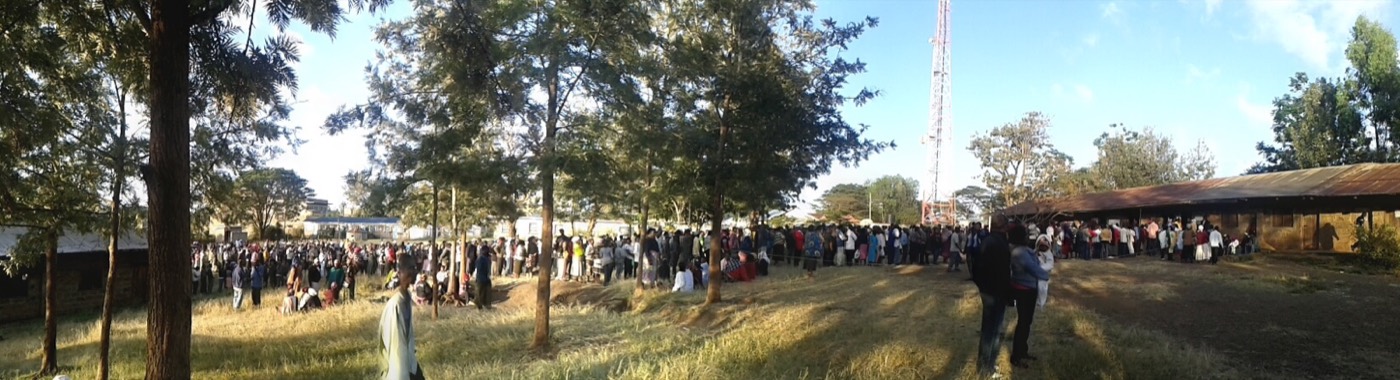
A polling centre is a place. A polling station is a unit of the election. They are not the same thing, and treating them as the same thing is one of the most expensive mistakes a Kenyan campaign can make.
The centre is usually a school. Inside it there may be one polling station, or there may be several.
What a polling station actually is
A polling station is where voting happens as a legal event rather than as a physical activity.
It has a presiding officer. It has its own extract of the register, containing only the voters assigned to it. It has its own ballot boxes and its own stationery. At the end of the day it produces its own results forms, one per office, signed at that station before anything is transported anywhere.
That last point is the one that matters. Results in Kenya are created at the station. The A form in each series, from the presidential series down to the MCA series, is filled in at the polling station. Everything above it is consolidation.
What a polling centre is
A centre is the address. It is the school, the hall, the social hall, the church compound where a queue forms.
A centre with a small registered population may hold a single station. A centre serving a dense settlement may hold several, each with its own officials and its own paperwork, all under the same roof or in the same field.
From the road they look identical. One gate, one crowd, one set of tents. The distinction is invisible until you look at the gazette notice or count the presiding officers.
Why campaigns get this wrong, and what it costs
Because agents are appointed per station, not per centre.
A campaign that maps its ward by centres will produce a number that looks manageable and is wrong. It will recruit to that number, train to that number, budget to that number, and then discover on polling day that half its stations have nobody sitting in them.
An unwatched station is not a small gap. It is a station where nobody on your side sees the count, nobody signs the form, and nobody collects a copy. If a result is later disputed, the absence is total: you have no independent record of what happened in that room, and no witness who was there.
The correction is simple and has to happen early. Build your list from the gazetted polling station list, at station level, and count the rows. Related: why one station can still have several queues.
Where the authoritative list comes from
IEBC gazettes polling stations before an election. That notice is the only list that binds anybody.
Until it is published, everything else is a working assumption: last cycle's list, a county office's spreadsheet, a WhatsApp forward. Those are useful for planning and useless as authority. Stations get added, split, renamed and renumbered between cycles as populations move and as schools change.
So plan against the previous list, then reconcile against the gazette the week it appears. A campaign that has never done that reconciliation will meet the differences on 10 August 2027, which is the worst possible day to meet them.
The chain from a station to a national result
Each station produces its A forms. Those are taken to the constituency tally centre, where the returning officer consolidates them into the next form in the series. County-wide offices consolidate at county level. The presidential series continues to the national tally.
Every step of that chain is a place where a number can be transcribed incorrectly, and every step is a place where somebody holding the original station form can say so. The original is the point. Your agent's copy of the station form is the only document that lets you check the chain from the bottom.
That is why coverage is counted at the bottom. Related: the agent coverage test.
What to do about it now
Open your ward list. If the rows are places, you have a centre list. If the rows are stations with codes, you have a station list.
Convert it. Then count how many agents you would need to cover every row, and compare that with how many people you have actually recruited and trained. The difference between those two numbers, more than any poll, tells you what condition the campaign is in.
Frequently Asked Questions
What is the difference between a polling centre and a polling station?
A polling centre is a location, usually a school or a hall. A polling station is the voting unit inside it, with its own presiding officer, its own extract of the register, its own ballot boxes and its own results forms. One centre can host more than one station, which is why counting centres understates the work.
How many polling agents does a campaign need?
At least one for every polling station it wants to see counted, and the count has to come from the gazetted station list rather than from a list of buildings. A station with no agent produces no independent record of its count, so a disputed figure there cannot be challenged with anything. Recruit against station rows, not against centre names.
Where do I find the official list of polling stations?
IEBC gazettes polling stations before an election, and that notice is the authoritative list. Earlier lists from a previous cycle are useful for planning but are not binding, because stations are added, split, renamed and renumbered as populations shift. Reconcile your planning list against the gazette as soon as it is published.