A Rural Ward and an Urban Ward Are Two Different Jobs
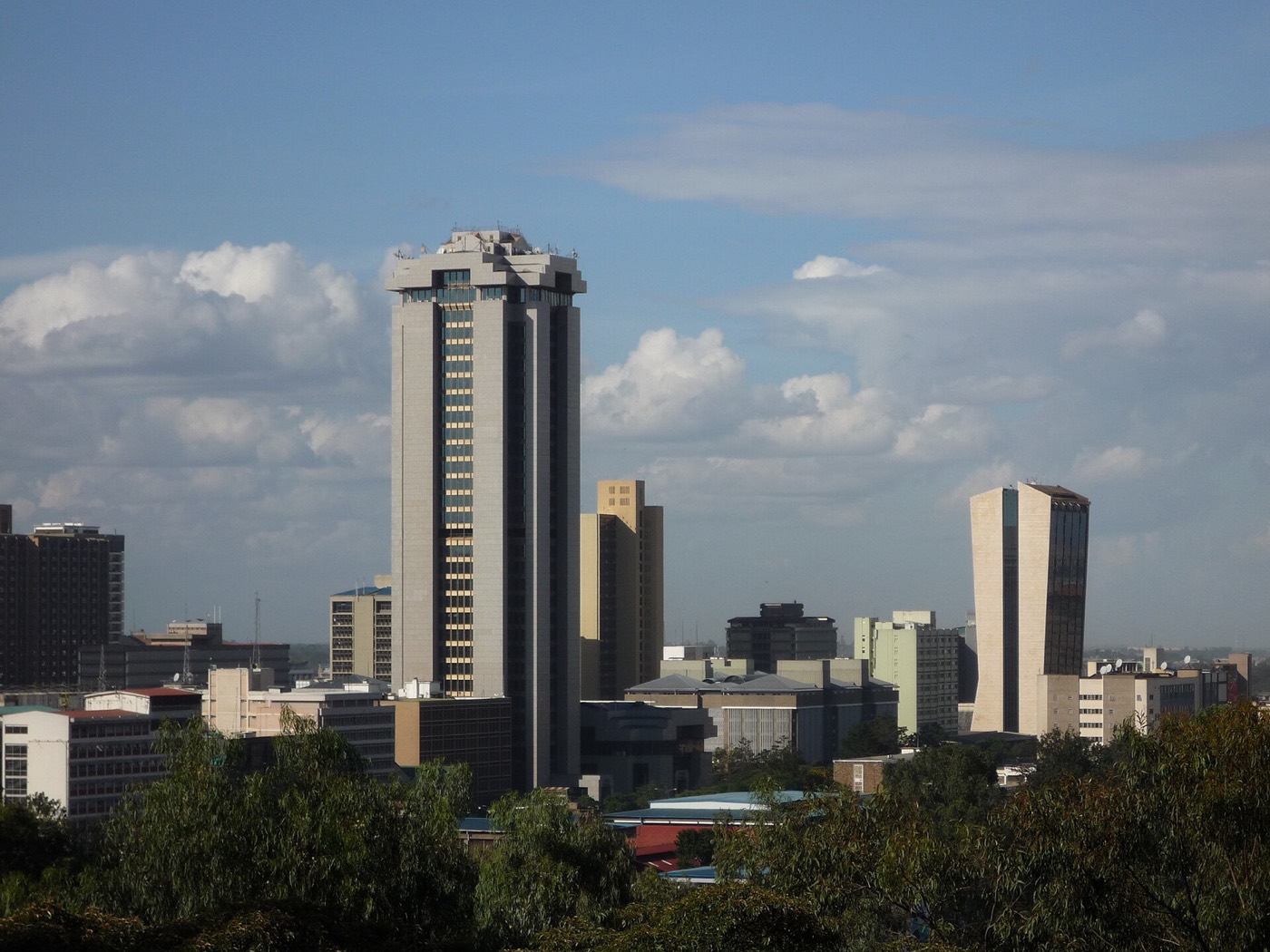
A campaign plan written for a rural ward fails in an urban one, and the reverse fails harder. They are not the same job with different scenery.
The differences are structural, and each one changes where your hours go.
In a rural ward, distance is the cost
Households sit apart. A canvasser walking between four homesteads can lose a morning to the walking itself, and no amount of enthusiasm compresses that.
So a rural plan is built around assembly points rather than around doors. Market day, the church or mosque on its day, the chief's baraza, the water point, the funeral. People come together on a known schedule, and a campaign that knows the schedule reaches in one afternoon what a week of walking would not.
The register also behaves well. People are registered close to where they live, they have lived there a long time, and a household you find in 2026 is very likely findable in 2027.
Radio still matters. In many rural wards the vernacular station reaches more people at six in the morning than every online channel combined, and being a guest on one costs almost nothing.
In an urban ward, access is the cost
The voters are within walking distance and you cannot reach them.
Gates, locked stairwells, caretakers with instructions, estates with a rule about hawkers that a canvasser is indistinguishable from. Density looks like an advantage on a map and behaves like a wall on foot.
Everybody is also out. A Saturday morning in a working urban ward finds half the households empty and much of the other half asleep after a night shift. Your contact window is evenings and Sundays, which is a fraction of the hours a rural team has available.
That is the strongest case there is for phone contact, and the trade-offs are set out in the phone piece.
The register problem nobody plans for
This is the difference that decides urban races, and it is barely discussed.
Urban wards churn. Tenants move every year or two, sometimes within the same estate and sometimes across the county. A large share of the people living in an urban ward are registered somewhere else, often at a rural home, and they will vote there or not at all.
The consequence is blunt. A supporter you convert in an urban ward may not be a voter in your ward.
So urban canvassing has to ask one extra question at every door, early: where are you registered. It is not intrusive and it saves enormous waste. A household of four enthusiastic supporters registered in three other counties is a pleasant evening and no votes.
The mirror image applies rurally. A rural campaign should know which of its households have members working in a city, because those members are registered at home, and reaching them is a phone job.
Structure differs, so recruitment differs
Rural wards have durable structures: elders, clan networks, church committees, women's groups that have met for years. Recruiting through them is slower to start and it holds.
Urban wards have thinner and faster structures: stages, hawker associations, estate groups, landlords and caretakers, youth groups that form and dissolve. Recruitment is quicker and turnover is high, so an urban campaign has to re-verify its roster far more often than a rural one.
Neither is better. They need different maintenance, and the failure is applying one rhythm to the other.
What changes in the numbers you track
Both should track the same things. The targets differ.
A rural ward should expect fewer households per canvasser hour and higher contact quality. An urban ward should expect more attempts per hour, more failures to reach anybody at all, and a higher share of people who turn out to be registered elsewhere.
If you set the same weekly target for both, you will conclude that your rural coordinators are lazy and your urban ones are excellent, and you will be wrong in both directions. Set the target from the ward itself, using the arithmetic in the ward plan piece.
The mixed ward, which is most of them
Many Kenyan wards are both: a trading centre with flats and tenants, surrounded by farmland.
Treat that as two operations under one coordinator, with two schedules and two sets of expectations, rather than averaging them into a single plan that suits neither half.
Before 2027, walk your ward once at eight in the evening on a weekday. Whichever kind of ward you thought you had, that walk will correct you.
Frequently Asked Questions
What is the main difference between rural and urban campaigning in Kenya?
In a rural ward the cost is distance, so the plan is built around assembly points like market day, worship, the baraza and the water point. In an urban ward the cost is access, because gates, stairwells and caretakers block a canvasser who is standing metres from the voter. The same weekly target applied to both will misjudge one team as lazy and the other as excellent.
Why does the voter register behave differently in urban wards?
Urban wards churn, with tenants moving every year or two, so a large share of residents are registered somewhere else, often at a rural home where they will actually vote. That means an urban supporter is not necessarily an urban voter. Canvassers should ask where somebody is registered early in the conversation, because it prevents an enormous amount of wasted effort.
How should a mixed rural and urban ward be organised?
As two operations under one coordinator, with separate schedules and separate expectations, rather than as one averaged plan. The trading centre needs evening and Sunday contact and constant roster re-verification, while the farmland around it needs assembly points and daytime work. Averaging the two produces a plan that fits neither half.