Is Ruto Splitting the Opposition? His Allies Think So.
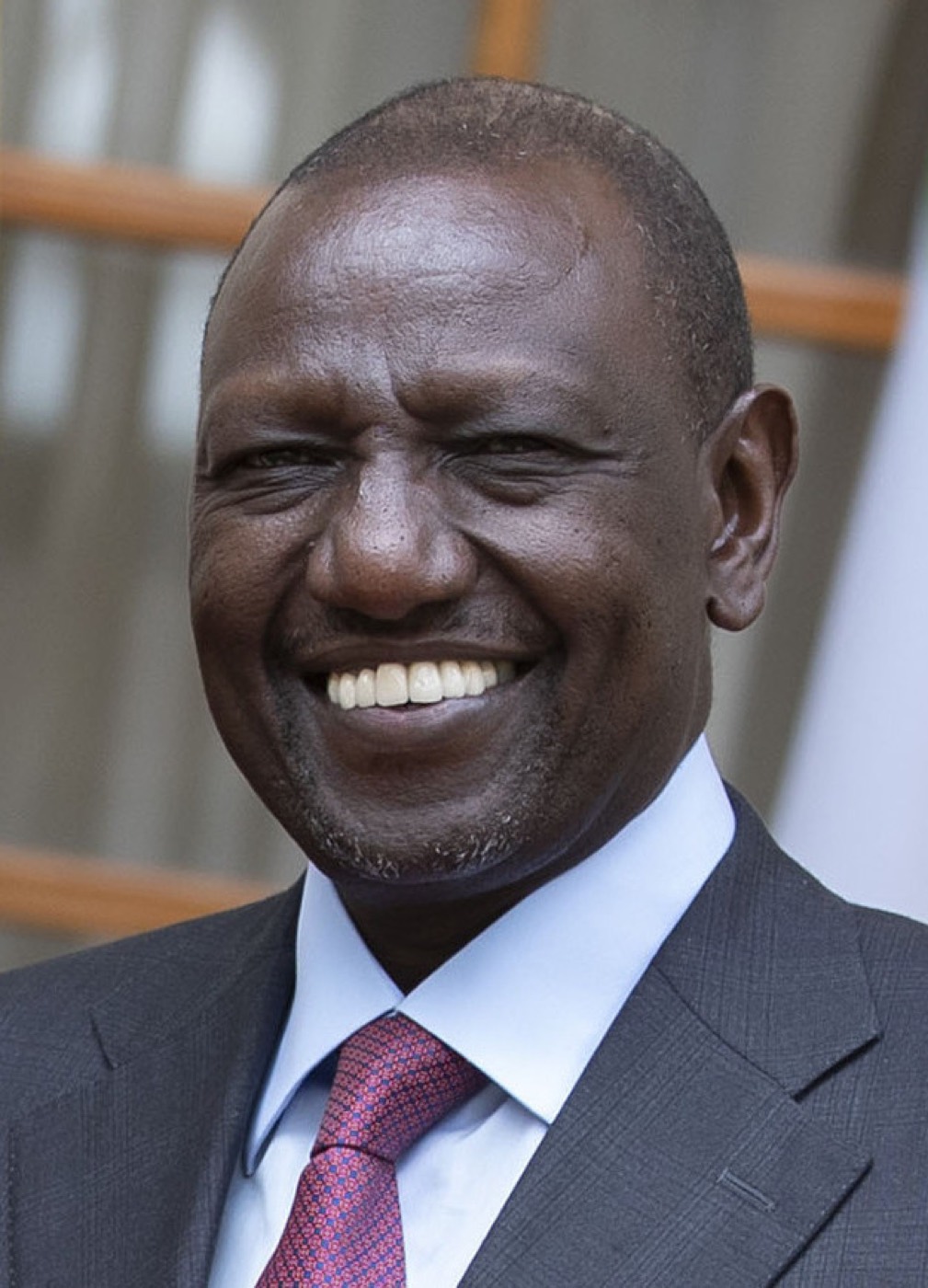
Kenyan reporting has described a strategy on the government side of exploiting divisions and disagreements over who should carry the opposition flag — with the political contest increasingly shifting toward preventing rivals from consolidating support rather than building one's own.
That is worth taking seriously as strategy rather than as accusation, because under Kenya's presidential threshold it is genuinely the highest-return move available.
The arithmetic that makes it work
Kenya's presidency requires more than half the national vote plus at least 25 per cent in more than half of the 47 counties.
A fragmented opposition does not merely lose. It makes a first-round win achievable at a much lower level of support than a consolidated field would require.
Look at the mid-2026 polling: the incumbent at 32 per cent, with three opposition figures at 13, 12 and 12. Consolidated, that is 37 against 32 and a real contest. Fragmented, it is a first-round win.
So a shilling spent keeping the field crowded is worth more than a shilling spent persuading anybody, and everybody involved knows it.
How a field is kept crowded
Not usually by anything dramatic. Mostly by making it slightly easier for each individual principal to keep going than to stop.
Recognition. Access. Occasional cooperation on something uncontroversial. Encouragement of the belief that a principal's own base is larger than the polls suggest. None of it requires a conspiracy, and most of it is indistinguishable from ordinary politics.
Why the opposition's own incentives do most of the work
This is the part that makes the strategy cheap.
Every opposition principal is individually better off delaying a decision that would end their own presidential prospects. The coalition is collectively worse off for every month of delay. That is a collective action problem that exists whether or not anybody is exploiting it.
The united opposition said it would name a candidate in the first quarter of 2026. It has not, and the reasons Kenyan reporting gives — competing ambitions, disagreement about whether polls should decide it, distrust about who commissions them — are internal.
A strategy of exploiting division works best where the division is real.
What would defeat it
One thing: an agreed selection method, fixed in writing before anybody knows the result, with the losers committed in advance.
That is difficult, and it is the only thing that is. Every substitute — a unity pact, a joint tour, a shared name — leaves the question open, and an open question is the asset being exploited.
For a down-ballot candidate
You carry this risk and you do not control it.
A prolonged fight over the top of the ticket means late decisions about zoning and coalitions, which means you find out about your own seat with little time to respond and the independent deadline of 8 May 2027 approaching.
The hedge is the same one every time: support that is yours rather than the coalition's, built over months, portable to whichever symbol exists in April.
Related: the one-ticket problem.
The test of whether a unity effort is real
Unity pacts, joint tours and shared branding are all compatible with an unresolved candidate question, which is why they keep being produced.
Three things would indicate something has actually changed.
A published selection method with a date. Not a commitment to select — a stated mechanism, agreed in advance, with a deadline.
Principals stating publicly what they will do if they lose it. The binding constraint is not the method; it is whether losers accept it.
A deposited coalition agreement containing the seat arrangements. Because the down-ballot deals are where the real commitments live, and they are filed.
Until at least the first two exist, an opposition is announcing unity rather than achieving it — and an incumbent whose strategy depends on fragmentation has nothing to do but wait.
Frequently Asked Questions
Why would a Kenyan incumbent benefit from a divided opposition?
Because the presidential threshold requires more than half the national vote plus 25 per cent in more than half the counties. A fragmented field allows a first-round win at a much lower level of support than a consolidated one would require.
What would defeat a divide-and-rule strategy?
An agreed selection method for the opposition candidate, fixed in writing before the result is known, with the losing principals committed in advance to accepting it.