Sh428 Billion for 47 Counties: The County Allocation Bill Is Signed
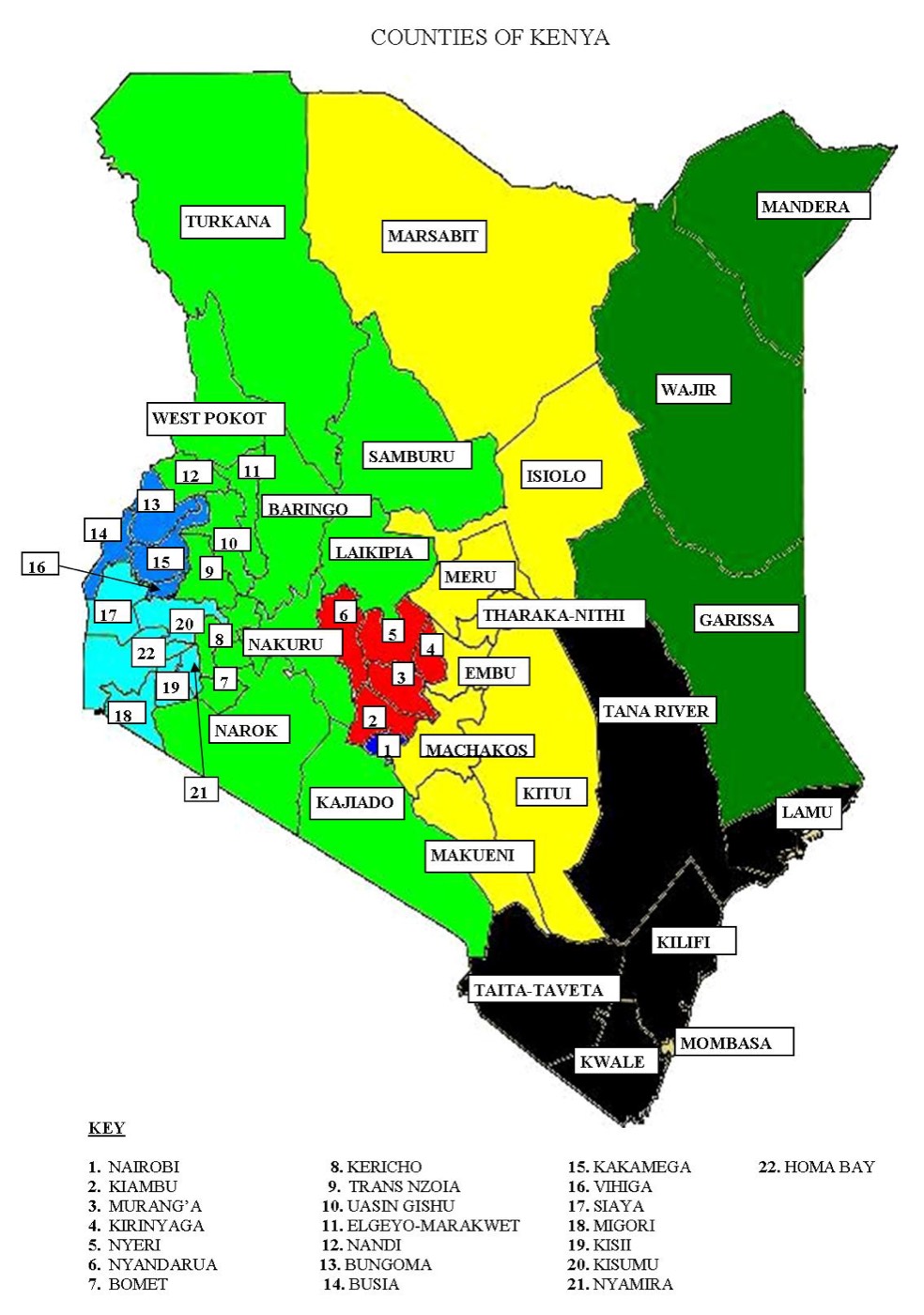
President William Ruto has assented to the County Allocation of Revenue Bill, 2026, unlocking about Sh428 billion for Kenya's 47 counties for the 2026/27 financial year. The signing took place at State House, Nairobi.
That figure sits between the Senate's proposed Sh454.74 billion and the National Assembly's Sh420 billion, which is roughly where these arguments always end.
What happens to the money next
This is the part that determines whether a ward sees anything, and it is followed by almost nobody.
1. It is divided among the 47 counties by a formula the Commission on Revenue Allocation develops, weighting population, poverty, land area, fiscal responsibility and other factors.
2. Each county assembly approves a budget allocating its share between recurrent and development spending, and between departments.
3. Ward-level allocations are fought over inside that — and this is where MCAs earn their keep or fail to.
4. Money is disbursed quarterly, as the Treasury releases it, which is where delays enter.
5. Procurement happens, or does not.
A shilling assented to at State House in June has to survive all five steps before it becomes a classroom.
The steps where it goes wrong
Disbursement timing. Counties routinely receive funds late, which compresses procurement into the end of the year and produces rushed, poorly supervised spending.
Recurrent crowding out development. Salaries are legally and practically first. Where the wage bill has grown, development is what absorbs the shortfall.
Pending bills. Counties that owe suppliers from previous years start the new year already committed, which means the new allocation is partly paying for last year's work.
Uneven ward distribution. The most common political failure and the most common cause of a governor's problems with their own assembly.
Why an aspirant should learn this
Because it is the difference between a credible ward campaign and a fantasy one.
An MCA aspirant who understands that their county received a specific figure, that a specific share is development, and that their ward's allocation is decided in the county assembly's budget process, can make promises that are achievable and criticisms that are accurate.
One who does not will promise projects at a scale the county cannot fund, and will be held to it.
The check every voter can do
County budgets are public documents. So are the Auditor-General's reports.
Two questions with public answers:
What did my ward get in the last county budget, and for what?
What did the Auditor-General say about how it was spent?
Almost no Kenyan voter has asked either, and almost every Kenyan county politician is aware of that.
Related: the revenue split argument.
The number to watch is not the allocation
It is absorption — how much of the allocated development budget a county actually spends by the end of the financial year.
Kenyan counties routinely under-spend development budgets while over-spending recurrent ones, and the reasons are structural: late disbursement compresses procurement into the final quarter, procurement capacity is thin, and pending bills from previous years absorb new money before it reaches a new project.
A county that received Sh10 billion and spent 55 per cent of its development budget did not have a funding problem. It had a delivery problem, and those are the counties where a challenger has the strongest case.
Absorption rates appear in county financial reports and in Controller of Budget publications. They are public, specific and almost never quoted in a campaign.
And the equalisation fund, briefly
Alongside the county equitable share sits the Equalisation Fund, a constitutionally established pot for marginalised areas, allocated separately in the annual division of revenue at around Sh10.25 billion in the framework debated for this financial year.
It is small relative to the equitable share and it is the closest thing Kenya has to a deliberate corrective for historical under-investment. It also has a persistent problem: identifying which areas qualify, and disbursing to them, has been contested since the fund was created.
Worth asking about in a marginalised constituency, because almost nobody does.
Frequently Asked Questions
How much did Kenyan counties receive for 2026/27?
About Sh428 billion, unlocked when President Ruto assented to the County Allocation of Revenue Bill 2026 at State House, between the Senate's proposed Sh454.74 billion and the National Assembly's Sh420 billion.
How is county money divided between the 47 counties?
By a formula developed by the Commission on Revenue Allocation, weighting factors including population, poverty levels, land area and fiscal responsibility.