What Your MP Actually Does in the National Assembly
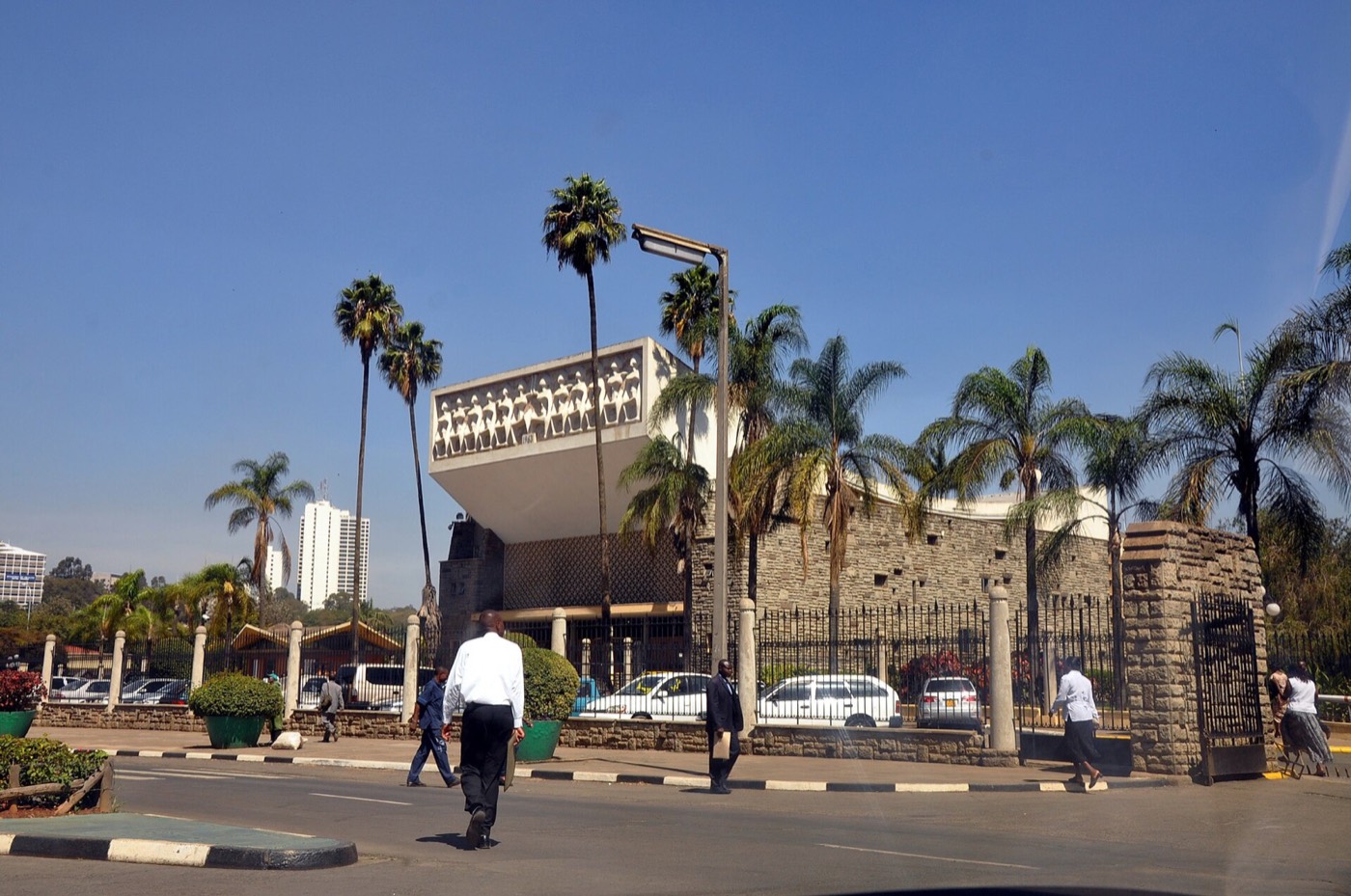
An MP in Kenya has four jobs, and Article 95 of the Constitution lists all of them: represent the people of a constituency, make national law, decide how national money is divided and spent, and watch over the national government. In the Constitution's own words, the National Assembly "enacts legislation", "appropriates funds for expenditure by the national government" and "exercises oversight over national revenue and its expenditure". It can also start the removal of a President.
That is the office. Everything else attached to it is either a function added by legislation, or a habit added by expectation.
Each of Kenya's 290 constituencies elects one member of the National Assembly. The county woman representatives sit in the same chamber with the same vote, and a number of members are nominated from party lists to represent special interests.
What the National Assembly actually decides
Legislation. Every national statute that affects a Kenyan, from the criminal law to the tax code, passes through this chamber.
Money. Appropriation and taxation bills originate in the National Assembly. When a finance bill is debated, that chamber decides what comes off your payslip and what is added to the price of what you buy.
The split between the two levels of government. The National Assembly decides how national revenue is divided between national government and the counties, which is the number the Senate then splits 47 ways.
Oversight of national spending. Committees examine the Auditor-General's reports on national ministries, state corporations and national funds, and summon accounting officers to answer for them.
Approvals. The National Assembly vets and approves a range of national appointments and can move to remove holders of national office.
The committee is where the job happens
Plenary debate is the visible part and the smaller part.
A member of the National Assembly who is serious about the office gets on a committee that matters, reads what arrives, and asks questions that require a specific answer. That is unglamorous and it is where the leverage sits: a committee can force a ministry to produce documents that no individual member could obtain alone.
A member who never speaks in committee and never files a question is not a quiet MP. They are an absent one.
Related: how to check the record yourself.
Why constituents think the job is bursaries and boreholes
Because for years a constituency development fund made it partly true.
A fund attached to constituencies gave members of the National Assembly a visible local spending role that the Constitution never gave the office. It shaped what voters ask for, what candidates promise, and what a campaign in a Kenyan constituency actually costs. The legal standing and the future shape of that arrangement have been contested for years.
Related: what replaces it in your constituency.
The point for a voter is simple. A local fund can be created, altered or withdrawn by law. The legislative and oversight job cannot. Judging an MP only on the first is judging the office on the part that is least permanent.
What an MP cannot do
An MP cannot pass a county law. That is the county assembly's work entirely.
An MP cannot build or maintain a county road, run a dispensary, license a market stall or hire a county employee. Those are devolved functions belonging to the county executive.
An MP cannot instruct a chief, deploy police or transfer a public officer.
An MP cannot overturn a court decision, and cannot direct a procurement.
Every one of those is asked of MPs constantly, and every one of them belongs to somebody else on the same ballot or to an institution nobody votes for at all.
Related: where the six offices collide.
How to check whether yours is doing the job
Three checks, none of which require a contact in Nairobi.
Check attendance and contribution in the Hansard record of the House. It is published and it is searchable by member.
Check committee membership, then check whether the committee produced reports and whether your member's name appears in the proceedings.
Check the votes on the bills you actually care about. A finance bill division is a matter of public record, and it tells you more about a member than an entire campaign season of speeches.
What to do with what you find
Take one bill your constituency has a genuine stake in, and write to your member asking two questions: how they voted, and what they would do differently in the next Parliament.
Then keep the answer. Kenyan campaigns run on memory, and memory is short by design. A written position from a sitting member, collected in 2026 and produced during the 2027 campaign, is the only thing on a rally ground that a crowd cannot argue with.
Frequently Asked Questions
What is the difference between an MP and an MCA?
An MP sits in the National Assembly and works on national law, national taxes and national spending. An MCA sits in a county assembly, passes county law, approves the county budget and represents one ward. They are elected on different ballot papers and neither can do the other's job.
Can an MP build a road in the constituency?
Not as a county function. County roads belong to the county executive and are funded through the county budget approved by the county assembly. National trunk roads are a national function handled by national agencies, and an MP's influence over them runs through legislation, budget votes and committee oversight rather than direct control.
How do I find out how my MP voted?
The proceedings of the National Assembly, including divisions on bills, are published in the Hansard record and are searchable by member. Committee membership and committee reports are also published. Both are public documents and neither requires a contact inside Parliament.
What are the functions of an MP in Kenya?
Article 95 of the Constitution sets them out. MPs represent the people of their constituencies, make national law, divide national revenue between the national and county governments, approve national spending, oversee state organs and can begin the removal of a President or Deputy President. They also approve declarations of war and extensions of states of emergency.