Where You Can Legally Put a Poster, and Where It Is an Offence
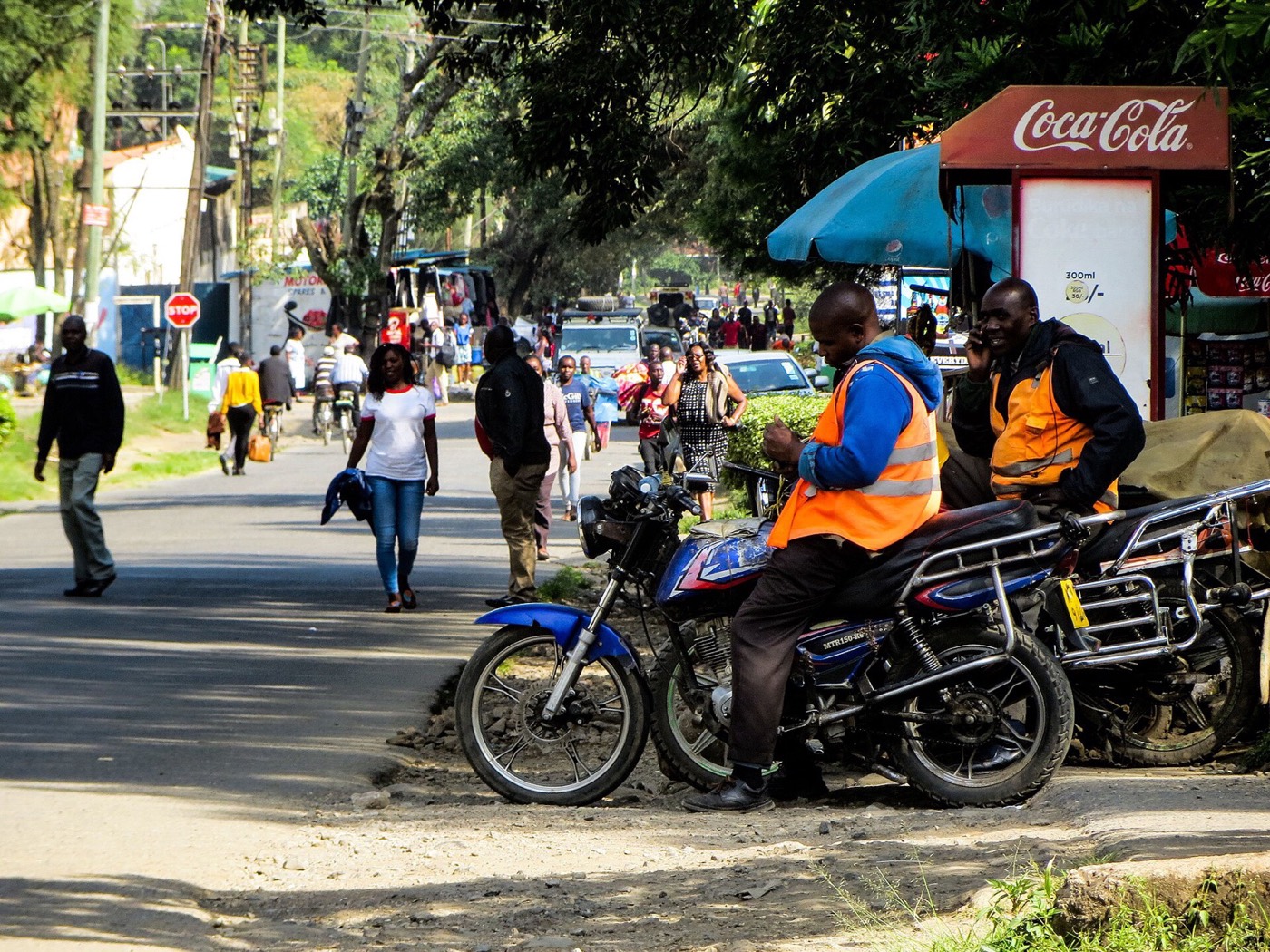
A poster in Kenya is regulated twice over, by two bodies that do not coordinate with each other, and campaigns usually discover the second one when a county enforcement vehicle arrives.
The Electoral Code of Conduct governs how campaigns behave towards each other's materials. County governments govern outdoor advertising, which includes yours, and they charge for it.
Neither of them will accept the other as an excuse.
What the Code of Conduct says about materials
The Code binds every party and candidate, and on campaign materials the obligations are mutual and simple.
Do not destroy, deface, remove or obscure another campaign's posters, banners or notices. Do not prevent another campaign from putting theirs up. Do not place yours in a way that covers a rival's.
The tearing down of rival posters is the single most common Code breach in a Kenyan campaign and the one candidates most often authorise personally, usually described as a response to something the other side did first. The Code does not have a provocation clause.
A breach of the Code is not automatically a crime, which is exactly why it is worth taking seriously: it is easier to establish, it moves faster, and it lands with the body that decides things about your candidacy. What the Code actually binds you to.
Public property and county rules
Outdoor advertising is a county function. Counties set rules on where advertising material may be placed, license it, charge fees for it, and remove material that does not comply.
That means the answer to where you can put a poster in Nakuru is not the same as the answer in Mombasa, and the only authoritative answer is your own county's current rules. This is a case where a national blog post cannot tell you what you need to know, and the correct move is a visit to the county offices rather than an assumption.
What is consistent across counties is the list of places that cause trouble: road signs and traffic furniture, electricity poles and transformers, trees, government buildings, schools, hospitals, places of worship, historical monuments, and private walls where nobody asked the owner.
Private property needs the owner's permission. A shopkeeper's wall is not public space because the shop faces the road.
There is a second reason to check rather than assume. County enforcement does not always stop at taking the material down. Where a permit was required and never obtained, the campaign can be billed for it afterwards, and an unbudgeted county invoice arriving in the final month before a vote is a problem out of all proportion to the poster that caused it.
The costs are real and they belong in the budget
County advertising fees, permit costs, the labour of putting material up and the cost of taking it down again are campaign expenditure. They are also the category most often paid in cash by somebody's cousin and never recorded, which is how a campaign ends up unable to account for a meaningful slice of its own spending.
Related: building a budget that survives an audit.
Removal is a real cost too. Material left up after an election is a county enforcement matter and an environmental nuisance, and the campaigns that are remembered well are the ones that took their own posters down.
Polling day has its own rule
Campaigning at or near a polling station on polling day is not permitted, and that includes campaign materials.
Posters, T-shirts, caps, colours, flags and branded vehicles all fall on the wrong side of it near a station. On 10 August 2027 the presiding officer has authority over the station and its surroundings, and an agent who arrives in full party branding will be sent away or asked to change, which costs you an observer at a stream for as long as it takes.
The rule reaches further than the building. Presiding officers apply it to the approach to the station and the ground immediately around it, and the boundary is theirs to draw on the day rather than yours to argue about at the gate.
Brief your agents to arrive plain. It is the cheapest compliance decision in the entire campaign.
A poster policy that fits on one page
Write these five lines and give them to whoever manages your ground team.
Nobody removes, covers or defaces another campaign's material, whatever they did to ours. Nothing goes on private property without the owner's permission, recorded by name. Nothing goes on road furniture, poles, trees, schools, hospitals or places of worship. Every county payment for advertising goes through the campaign account with a receipt. And a named person is responsible for removing everything within two weeks of the vote.
Then hold one meeting where you say the first line out loud, because your team will assume you do not mean it until you do.
Frequently Asked Questions
Is it an offence to tear down a rival's campaign posters in Kenya?
The Electoral Code of Conduct prohibits destroying, defacing, removing or obscuring another campaign's materials, and it contains no provocation exception. Depending on the circumstances the same conduct can also amount to malicious damage to property. It is the most common Code breach in a Kenyan campaign and one that candidates frequently authorise themselves.
Where can Kenyan campaign posters legally be placed?
Outdoor advertising is a county function, so the rules, the licensing and the fees differ from county to county and the only authoritative answer is your own county's current rules. What is consistent is the list of places that cause trouble: road signs and traffic furniture, electricity poles, trees, schools, hospitals, places of worship, government buildings and private walls where nobody asked the owner.
Can campaign materials be displayed near a polling station?
No. Campaigning at or near a polling station on polling day is not permitted and that extends to materials, clothing, colours and branded vehicles. Agents should be briefed to arrive without party branding, because an agent sent away to change is a stream left unobserved for as long as it takes them to return.