Women Are Entering Kenya's Governor Races in Numbers. The Party Boards Aren't Ready.
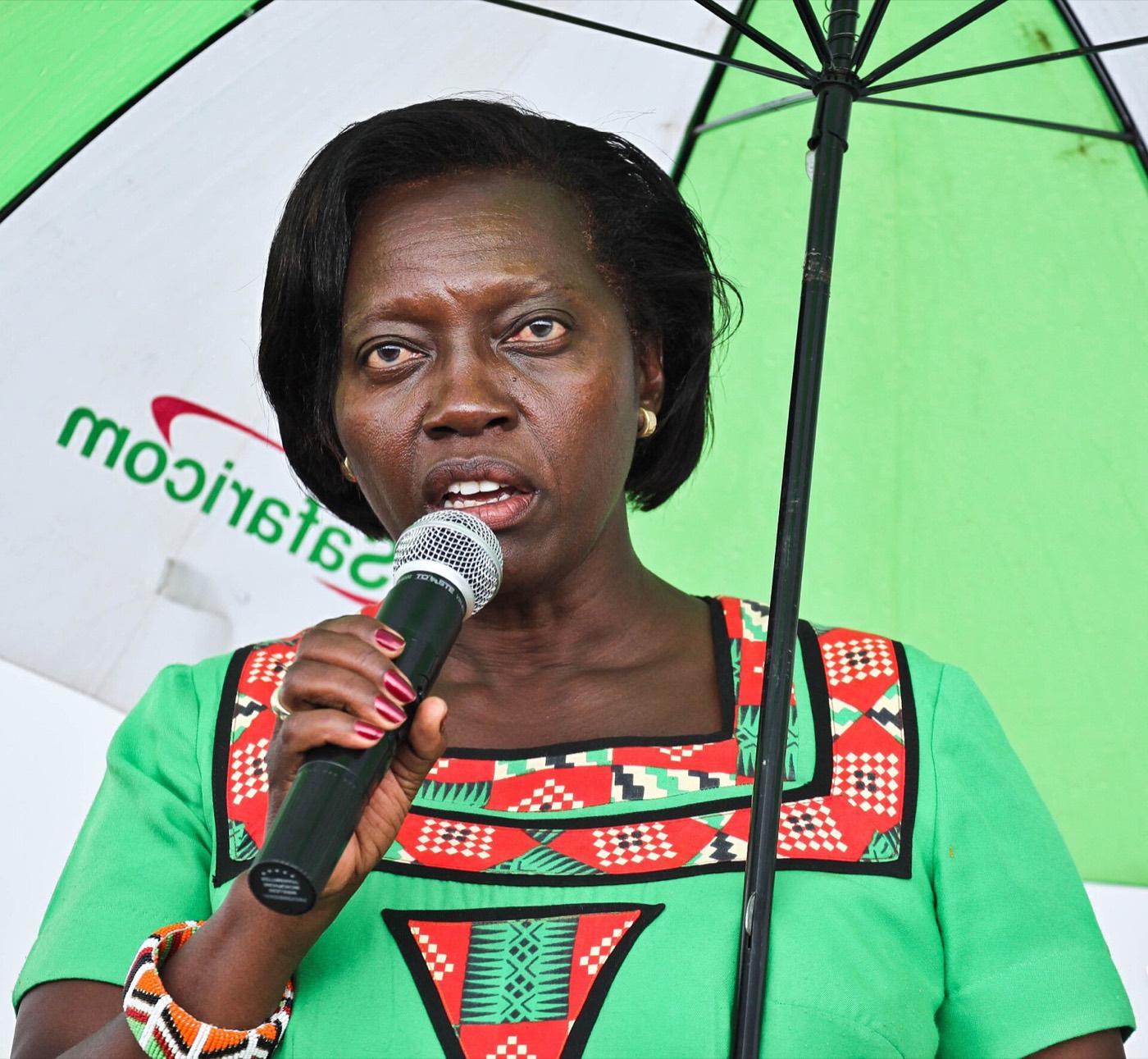
One of the genuinely encouraging things happening in Kenyan politics is barely being reported as news: more women are contesting county top jobs than in any previous cycle.
Women politicians are entering governor races across the country ahead of 2027, in counties where a woman has never been on the final ballot for the seat.
The obstacle has moved. It is no longer whether women will stand. It is whether parties will nominate them.
Where the filter actually sits
Kenyan party nominations are decided by one of three methods: a direct primary in which members vote, a consensus process negotiated by party organs, or a decision by a National Elections Board.
The second and third happen in rooms.
In a direct primary, a woman candidate with more members behind her wins, and gender is a much weaker factor than organisation. In a consensus meeting, the calculation is different and less legible, and the question asked is some version of can this person win, and who else are we upsetting.
That is where the numbers thin out.
The two arguments that work in that room
Not fairness. Fairness has been the argument for sixteen years and Kenya's Parliament has still never met the constitutional two-thirds gender threshold.
What works is:
Demonstrable structure. A candidate who can produce a list — named ward coordinators, active volunteers with completed tasks, members recruited, a record of household contact — is answering the "can she win" question with evidence instead of assertion. This is the single most effective thing any aspirant of any gender can do, and it is disproportionately valuable to candidates whose electability is being questioned for reasons unrelated to their record.
Cost of passing her over. A candidate whose supporters would follow her to another party, or to independence, is expensive to discard. One whose support is the party's is free.
The reform that would change the arithmetic
Kenya has been debating implementation of the two-thirds gender rule for sixteen years and more than ten legislative attempts. The versions currently being discussed would move the obligation onto parties at the nomination stage rather than topping up Parliament afterwards.
If something along those lines passes, party nomination boards will be actively looking for women candidates who can win seats — and looking in a hurry, on a compressed timetable.
The candidates they find will be the ones who are already visible with a structure behind them. Not the ones who become available when the rule changes.
What that means practically, this year
Build now. The reform may pass or it may not, and either way the structure is the thing that wins the primary.
Concretely: a named coordinator in every ward of the county, a volunteer roster where somebody is checking weekly who actually did something, membership recruitment ahead of the certification deadlines, and a record of what households have raised.
None of that requires a large budget. It requires a system that a coordinator can use from a cheap Android phone and a weekly habit of looking at the numbers — which is what BallotWinners is, and why we would rather an aspirant spent 2026 on this than on posters.
The other obstacle
It should be said plainly: women candidates in Kenya face a share of political violence and intimidation that male candidates do not, and it is a documented reason capable people decide not to run.
No nomination reform addresses that. What a campaign can do is plan for it — marshals at events, named security liaison, routes kept internal, and incidents recorded and reported rather than absorbed.
Related: the two-thirds gender rule.
Frequently Asked Questions
Are more women running for governor in Kenya in 2027?
Yes. More women are contesting county top jobs ahead of 2027 than in any previous cycle, including in counties that have never had a woman on the final ballot for the seat.
What stops women from getting party nominations in Kenya?
The filter is largely in consensus and National Elections Board processes rather than direct primaries. Where members vote, organisation matters more than gender; where a committee decides, the calculation is less legible.