Elderly Voters at the Polling Station: Priority, Assistance and What to Ask
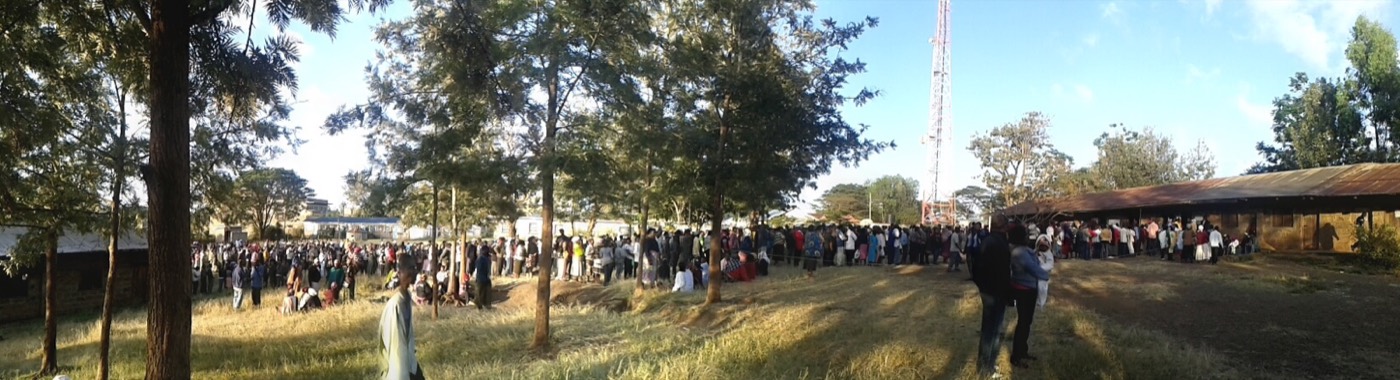
An older voter loses an election in the queue, not at the ballot box.
Hours standing in the sun, a station up a slope, six papers to read in a hurry, and a long walk from a matatu stage that stopped running at noon. None of that is about the vote itself, and all of it is what actually keeps older Kenyans from casting one.
Almost every part of it can be arranged in advance. Here is what to arrange and who to ask.
Priority in the queue
Kenyan polling procedure provides for priority for voters who need it, including older persons, expectant mothers, the sick and persons with disabilities. The presiding officer runs the station and is the person with authority over how the queue is managed.
Two practical points follow.
The first is that priority has to be asked for. A clerk managing several hundred people is not going to identify every voter who qualifies. Say it at the gate, clearly, on arrival.
The second is that the person to ask is the presiding officer, or a clerk who will fetch them. Arguing with the person next to you in the queue achieves nothing and costs you your place.
Getting there and getting in
Transport is the barrier campaigns forget. A voter who cannot walk a kilometre in the sun needs a ride arranged days beforehand by somebody who has agreed to do it, not a plan to find a boda on the morning.
The building matters too. Most polling stations are schools, and most schools have steps, gravel and no handrail. Whether your station is manageable is a question with a specific answer, and the person who has it is the returning officer for the constituency.
Ask in advance, by name of station. An office that is asked about a particular station in June can plan for it. The same office asked at eight in the morning on polling day can only apologise.
Related: what the law requires on access.
If reading or marking the ballot is the problem
Six papers is a lot of small print, and eyesight is the most common unspoken obstacle for older voters.
Kenyan law allows a voter who needs assistance to be assisted, subject to procedure. The voter chooses who assists them, within limits designed to keep people with an interest in the result out of the booth, and the presiding officer assists where the voter has not named anyone.
Decide who that person will be now and tell them now. Check that they are not an agent for any candidate, and check again nearer the day, because people acquire roles during a campaign.
Related: who qualifies and who may help.
What families and campaigns should do
For families, three tasks, none of them difficult.
Confirm the registration and the assigned station now rather than in 2027. Arrange transport with a named person and a time. Agree who will assist at the booth if assistance is needed, and make sure that person understands they are carrying out an instruction rather than making a decision.
That last point is where families most often go wrong. Helping an elderly relative to vote means marking what they tell you to mark. It does not mean marking what the household decided over supper.
For campaigns, the same list is a field operation. Older voters in your ward are a known, listable, reachable group, and the thing standing between them and a vote is logistics rather than persuasion. A campaign that solves transport and station access for a hundred people has done more with that afternoon than another rally would have done.
Related: the whole polling day, hour by hour.
The week before
Confirm the station, in writing if you can, and write the name down.
Confirm the ride, with a named driver and a time that assumes the queue will be slow.
Confirm the assistant, and confirm they hold no role in any campaign.
And go through the six races at home, unhurried, with the names written large. President, Governor, Senator, County Woman Representative, Member of the National Assembly, Member of the County Assembly. A voter who has decided all six at the kitchen table needs a minute behind the screen. One deciding in the booth, in poor light, with a queue waiting, is the voter most likely to give up on the last two papers.
Related: the full walkthrough for a nervous voter.
Frequently Asked Questions
Do elderly voters get priority in the queue in Kenya?
Polling procedure provides for priority for voters who need it, including older persons, expectant mothers, the sick and persons with disabilities. In practice it has to be asked for, because a clerk managing a large queue cannot identify everyone who qualifies. Ask at the gate, and ask the presiding officer or a clerk who can fetch them.
Can a relative help an elderly voter mark the ballot?
Kenyan law allows a voter who needs assistance to be assisted, and the voter chooses who assists them, subject to limits that keep candidates and their agents out of the booth. The person assisting is carrying out an instruction. Marking what the family decided rather than what the voter says is taking somebody's vote, not helping them cast it.
What should a family arrange before polling day?
Three things. Confirm the registration and the assigned polling station well in advance, arrange transport with a named person and a specific time, and agree who will assist at the booth if assistance is needed. Then go through all six races at home so the decisions are made before the queue rather than inside it.