What a Returning Officer Does, and Why the Job Decides Your Constituency
One person signs the form that declares the winner in your constituency. That person is the returning officer, and outside election week most voters have never heard the title.
It is the most consequential job in the IEBC's field structure.
What a returning officer actually is
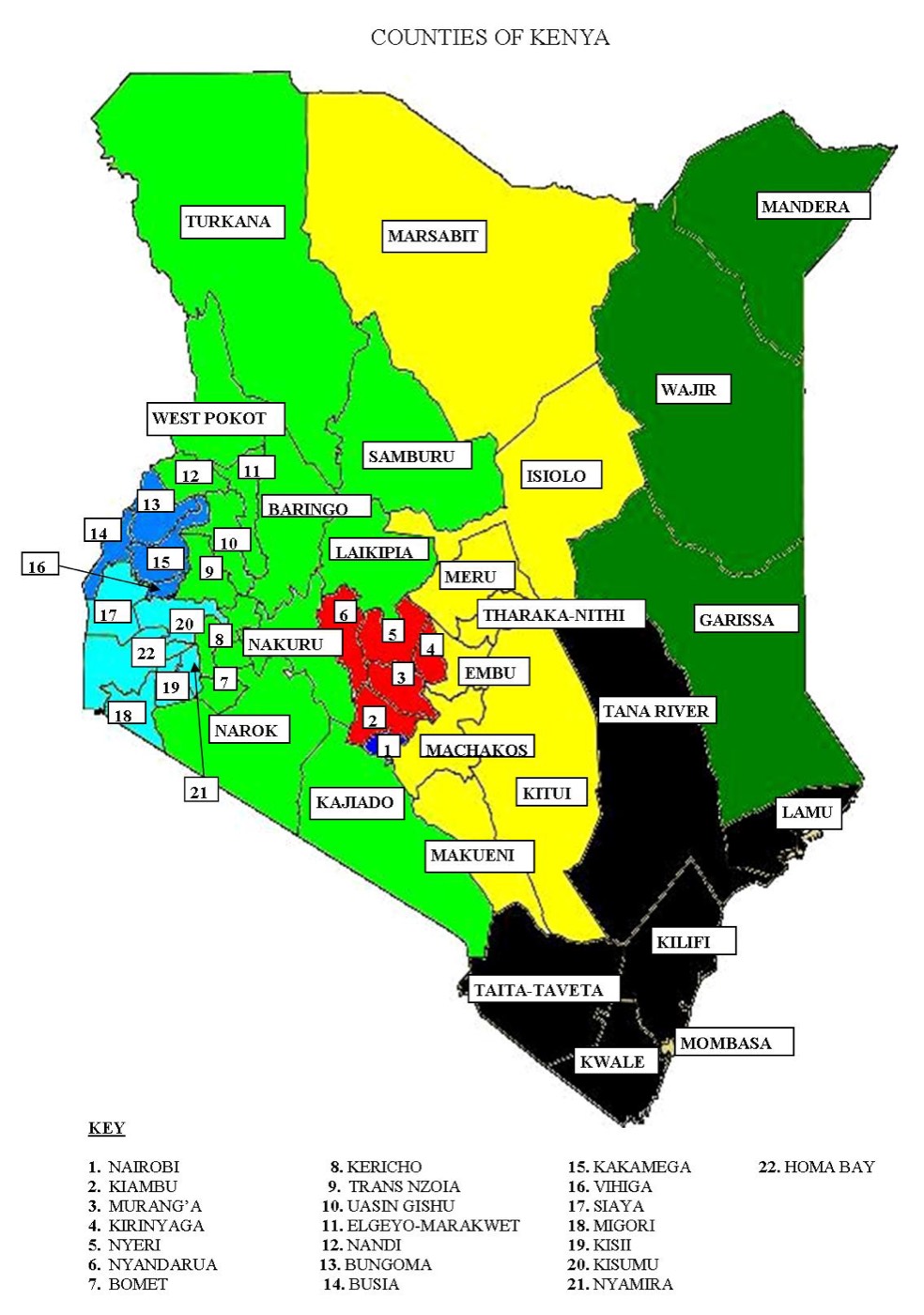
A returning officer is an officer the commission appoints to conduct an election in a defined area. There is one for each constituency and one for each county, which for a general election means 290 constituency returning officers and 47 county returning officers, with deputy returning officers working under them.
The split matters because Kenyans elect six offices on one day. A county returning officer handles the county-wide seats: Governor, Senator and Woman Representative. A constituency returning officer handles the seats inside the constituency: the Member of the National Assembly, and the Member of the County Assembly for each ward within it.
The presidential result runs upward through both. Related: what each ballot paper decides.
What the job involves long before polling day
Most of it is administrative, and most of it is settled while nobody is watching.
The returning officer identifies and publishes the polling stations in the area, and how many streams each one will run. That decision fixes how far people walk to vote and how long they stand in a queue.
The returning officer recruits, deploys and supervises the presiding officers and clerks who staff those stations. Related: how that hiring works.
The returning officer receives nomination papers. This is the part candidates feel. Your papers, your party's nomination certificate, your clearance documents and your fee go to that office on the day fixed for it, and the returning officer decides whether they are in order.
A rejected set of papers ends a campaign. Not a bad week, a campaign. There is a dispute route and it is short, and the only comfortable position is one where you never need it: a complete file, filed early in the window rather than late, with copies of everything.
The returning officer also conducts the draw for ballot paper position, publishes the final list of nominated candidates, and manages the receipt, storage and distribution of ballot papers and materials to every station.
What happens on the night
Results arrive from the polling stations on the A forms filled at each stream, and they are tallied at the constituency tallying centre. Related: what happens in that room.
The constituency returning officer declares the MP result and each MCA result, and signs the forms that carry them. For the presidential election, the same officer tallies the polling station forms into the constituency form and sends it upward. Related: the full chain.
The county returning officer declares Governor, Senator and Woman Representative.
Why the job is also a legal position
When a result is challenged, the returning officer is not a bystander. The commission and the returning officer are ordinarily respondents in the petition, and the officer's records, decisions and conduct are the subject matter of the case.
That has two implications for a candidate. The first is that everything the officer does is meant to be documented, and you are entitled to the documents that concern you. The second is that arguing with a returning officer is not a strategy. Recording what happened is.
What to do about it before 10 August 2027
Learn who holds the office and where it sits, now. The commission publishes contact details for its constituency offices. The person can change; the office does not.
Read the nomination requirements for your seat from the source rather than from a forwarded message, and assemble the file months early. The most common way to lose a Kenyan election is not at the ballot box.
Make sure the people you send to polling stations know that the returning officer, not the presiding officer, is who they escalate to, and that they escalate in writing. Related: naming an agent for every stream.
And keep your own tally. A campaign that can reconstruct its result from its own copies of the station forms is in a different position from one that cannot, in the counting hall and in a courtroom afterwards. Building that habit in 2026 costs nothing. Building it in August 2027 is impossible.
Frequently Asked Questions
Who appoints returning officers in Kenya?
The IEBC appoints them. They are officers of the commission assigned to conduct an election in a defined area, with deputy returning officers working under them. There is a returning officer for each constituency and one for each county.
Can a returning officer reject my nomination papers?
Yes. The returning officer receives nomination papers and decides whether they meet the requirements set out in the Elections Act 2011 and the regulations. That is why candidates are advised to file early in the nomination window rather than on the last afternoon, with complete documents and copies of everything submitted.
Who declares the MP result in a Kenyan election?
The constituency returning officer declares the Member of the National Assembly result and the Member of the County Assembly results for the wards in that constituency. Governor, Senator and Woman Representative are declared by the county returning officer. The presidential result is declared nationally.