The Woman Representative Seat Is Reserved. The Other Five Are Not.
Kenyan voters mark six ballot papers: President, Governor, Senator, County Woman Representative, Member of the National Assembly, and Member of the County Assembly.
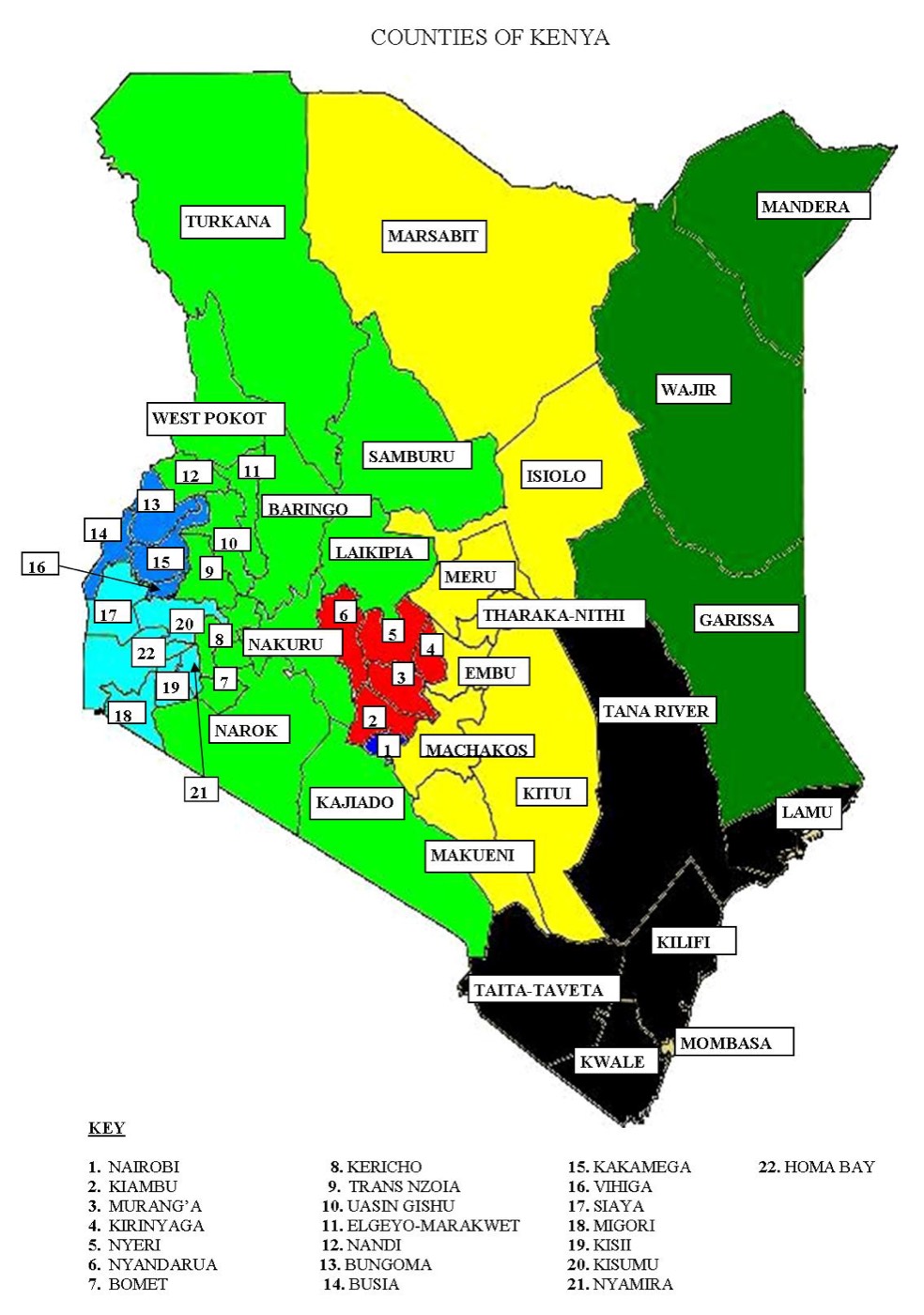
Exactly one of those six is guaranteed to be held by a woman. Each of the 47 counties elects one County Woman Representative to the National Assembly, and only women contest it.
The other five are open. That is the whole of the design, and most of the confusion about women's representation in Kenya comes from misreading it.
What the County Woman Representative seat is
It is a seat in the National Assembly, elected county-wide, by every registered voter in the county. A Woman Representative is a Member of Parliament with a constituency the size of a county.
Being elected county-wide is not a small thing. It means a bigger register than any single MP contests, a bigger geography to cover, and a campaign budget shaped by county-scale logistics rather than constituency-scale ones.
The seat exists because the drafters of the Constitution did not trust open competition, on its own, to return women to Parliament in usable numbers. It is a floor, deliberately set.
Related: what each of the six papers decides.
The five seats that are not reserved
President, Governor, Senator, MP and MCA are contested by whoever files and qualifies. Nothing in the law sets any of them aside, and nothing in the law keeps a woman out of any of them.
That is the important sentence. There is no legal barrier to a woman running for governor in any of the 47 counties, for senator, for any of the 290 constituency seats, or for any of the 1,450 ward seats. The obstacles are real, but they are not in the statute book.
Which means the reserved seat and the open seats produce completely different campaigns. One is a contest among women, decided in a party primary and then county-wide. The other is a contest against the incumbent machinery of a constituency or a county, decided the same way it is decided for anyone.
Where the two-thirds rule fits, and where it does not
The Constitution requires that not more than two thirds of the members of elective public bodies be of the same gender.
County assemblies reach that mark through nomination: parties submit lists, and members are added until the composition complies. Parliament does not have an equivalent mechanism working in the same way, and the legislation meant to implement the rule there has been attempted, argued over and left unfinished for years.
So the reserved Woman Representative seat is not the gender rule. It is one element of a scheme that also includes party lists, nominated members and unfinished legislation, and it was never intended to do the whole job on its own.
Related: the fight inside the current bill.
Why "reserved" gets misread as "enough"
Two mistakes follow from the reserved seat, and both are common.
The first is the assumption that a county's Woman Representative is the county's women's representative, as though the other five office holders represent everyone else. She is an MP. Her mandate is the county, all of it.
The second is the assumption that women have been catered for, so a woman seeking a governorship or a constituency seat is asking for something extra. She is not. She is contesting an open seat on the same terms as everybody else in the race.
That second assumption does real damage inside party nomination boards, where it turns up as a suggestion that an aspirant should step aside for the reserved seat instead.
Related: what the party boards are doing about it.
What a woman deciding on 2027 should settle first
Decide which seat you are actually running for, and decide it early.
The Woman Representative seat and a constituency seat need different organisations. One needs coverage across every ward in the county and a budget to match. The other needs depth in a smaller area and a plan for the specific villages that decide it. Trying to keep both options open until the party primary means arriving underbuilt for whichever one you choose.
Then read your party's nomination rules for the seat you have chosen, because that is the election you have to win first. The general election is the second contest, and in many counties it is the easier one.
Related: the obstacles nobody puts on the form.
Whatever you decide, register the decision with the people who will carry it. A ward team that learns in March 2027 which seat its candidate is contesting has lost the year it needed.
Frequently Asked Questions
Can a woman run for governor, senator or MP in Kenya?
Yes. Five of the six seats on the ballot are open contests with no gender restriction, so a woman may contest the presidency, a governorship, a senate seat, a constituency seat or a ward seat on exactly the same terms as any other candidate. The County Woman Representative seat is the one contested only by women.
Is the County Woman Representative the same as a nominated MP?
No. The County Woman Representative is elected, county-wide, by every registered voter in the county, and sits in the National Assembly. A nominated member reaches the chamber through a party list rather than a ballot. The two are often confused because both exist to improve representation, but only one of them is voted for.
Does the reserved seat satisfy the two-thirds gender rule?
It was never meant to on its own. The rule applies to elective public bodies generally, and it is approached through several mechanisms, including party lists and nominated members in county assemblies. Implementing legislation for Parliament has been attempted repeatedly and remains unfinished, which is why the rule keeps returning as a live political argument.