Kenya's Presidents Since Independence, and How Each Came to Power
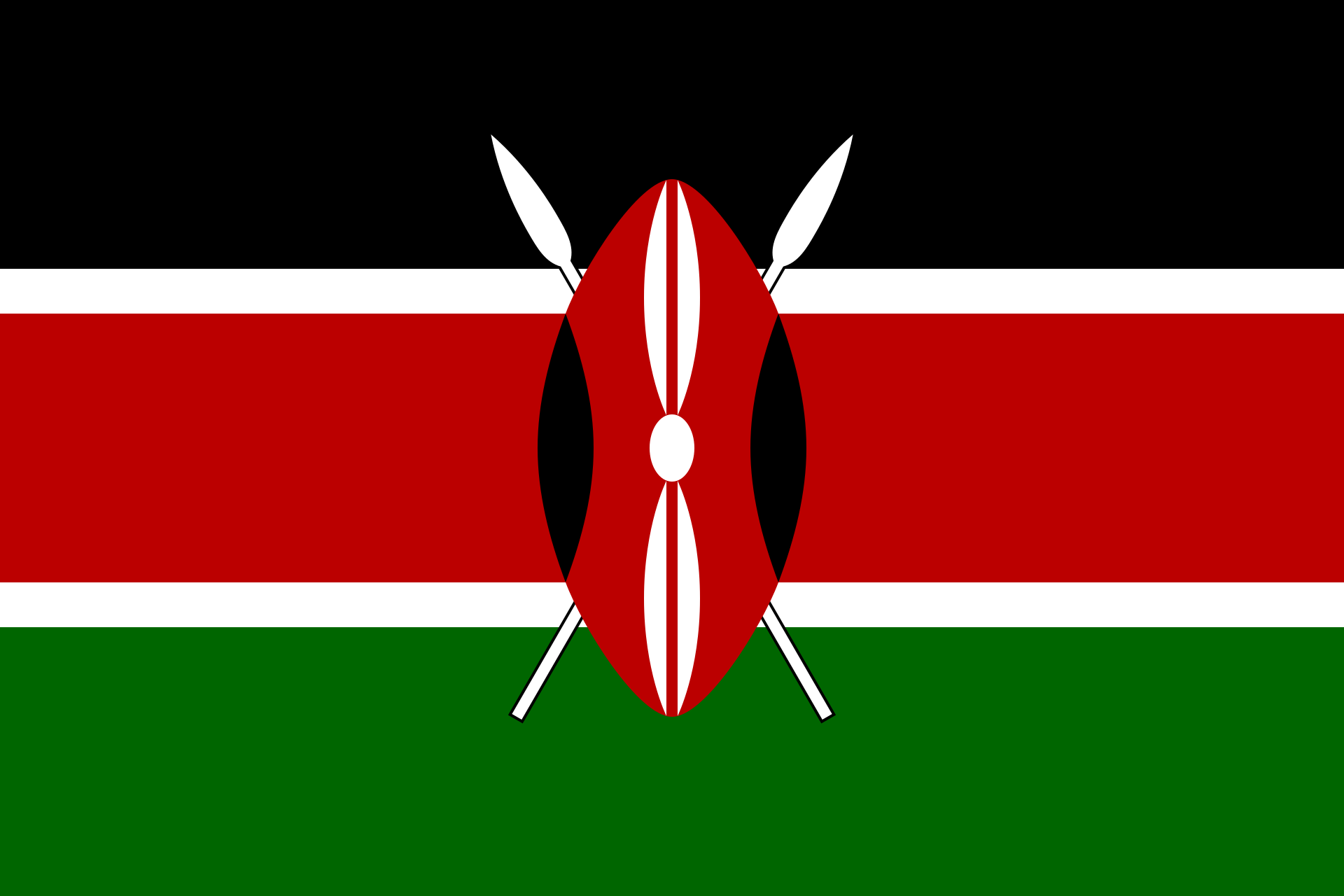
Kenya has had five presidents since it became a republic on 12 December 1964: Jomo Kenyatta, Daniel arap Moi, Mwai Kibaki, Uhuru Kenyatta and William Ruto. Kenyatta took office when the republic was created and Moi succeeded him on his death in 1978. Kibaki, Uhuru Kenyatta and Ruto each won a contested election, and every one of those wins after 2007 was challenged in the Supreme Court. Ruto has held the office since 13 September 2022 and is seeking a second term at the general election on 10 August 2027.
The five, at a glance
| # | President | Took office | Left office | Party when elected |
|---|---|---|---|---|
| 1 | Jomo Kenyatta | 12 December 1964 | 22 August 1978 (died in office) | KANU |
| 2 | Daniel arap Moi | 22 August 1978 | 30 December 2002 | KANU |
| 3 | Mwai Kibaki | 30 December 2002 | 9 April 2013 | NARC, then PNU in 2007 |
| 4 | Uhuru Kenyatta | 9 April 2013 | 13 September 2022 | TNA (Jubilee Alliance), then Jubilee Party |
| 5 | William Ruto | 13 September 2022 | In office | UDA |
Dates are from the Wikipedia list of heads of state of Kenya, which draws on official records. Moi served longest, about 24 years. Before the republic, from 12 December 1963 to 12 December 1964, the head of state was Queen Elizabeth II and Jomo Kenyatta governed as prime minister.
Jomo Kenyatta: from prime minister to president
Kenyatta led the Kenya African National Union (KANU) to victory in the May 1963 general election and was sworn in as prime minister of the self-governing colony on 1 June 1963. When Kenya became a republic a year after independence, the offices of monarch, governor-general and prime minister were replaced by an executive president, and Kenyatta became the first to hold it.
He was never opposed at the ballot. After the 1969 constitution introduced direct presidential elections, KANU was the only party nominating a candidate, and the sole nominee was declared elected without a vote; that happened in 1969 and 1974. Kenyatta died in office on 22 August 1978.
Moi: succession, then two contested wins
Daniel arap Moi was Vice-President when Kenyatta died, and became acting President under the constitution. KANU nominated him as its only candidate and he was declared elected on 8 November 1978 without a vote being held. The same thing happened in 1979, 1983 and 1988.
Multiparty politics returned in 1991, and Moi then had to win real elections. He did so twice, on a split opposition:
| Year | Moi's votes | Share | Runner-up | Runner-up's votes |
|---|---|---|---|---|
| 29 December 1992 | 1,962,866 | 36.35% | Kenneth Matiba (FORD-Asili) | 1,404,266 |
| 29 December 1997 | 2,500,865 | 40.40% | Mwai Kibaki (Democratic Party) | 1,911,742 |
In 1992 the opposition vote was divided between Matiba, Kibaki (1,050,617) and Jaramogi Oginga Odinga (944,197). Moi did not run in 2002; KANU's candidate that year was Uhuru Kenyatta.
Kibaki: a landslide and a crisis
Mwai Kibaki won the election of 27 December 2002 as the National Rainbow Coalition (NARC) candidate, with 3,646,277 votes (62.20 per cent) against 1,835,890 (31.32 per cent) for Uhuru Kenyatta of KANU. He was sworn in on 30 December 2002.
The 2007 election was different. The Electoral Commission of Kenya declared Kibaki, now running for the Party of National Unity (PNU), the winner on 30 December 2007 with 4,584,721 votes (46.42 per cent) against 4,352,993 (44.07 per cent) for Raila Odinga of the Orange Democratic Movement (ODM). Odinga rejected the result, and the violence that followed killed hundreds of people and displaced up to 600,000. The crisis ended with the National Accord and Reconciliation Act of 2008, under which Kibaki stayed President and Odinga became Prime Minister.
Uhuru Kenyatta: the first presidency under the 2010 Constitution
The 2013 election was the first under the 2010 Constitution, which requires a winner to take more than half the votes and at least 25 per cent in 24 of the 47 counties. The rule is set out in the 24-county rule.
Uhuru Kenyatta, with William Ruto as running mate, won on 4 March 2013 with 6,173,433 votes (50.51 per cent) against 5,340,546 for Raila Odinga. Odinga petitioned the Supreme Court, which on 30 March 2013 unanimously upheld the result. Kenyatta was sworn in on 9 April 2013.
His re-election is the one Kenyans remember for the court. The IEBC declared him the winner of the 8 August 2017 vote with 8,203,290 votes (54.27 per cent). On 1 September 2017 the Supreme Court annulled that result by four judges to two, the first time a presidential election in Kenya had been nullified. Odinga withdrew from the repeat poll on 10 October, and Kenyatta won the rerun of 26 October with 7,483,895 votes, 98.26 per cent of those cast. He was sworn in for his second and final term on 28 November 2017.
William Ruto: the deputy who ran against his boss's choice
Ruto served as Deputy President for both of Kenyatta's terms, then fell out with him. In 2022 he ran on the United Democratic Alliance (UDA) ticket against Raila Odinga, whom Kenyatta backed under the Azimio la Umoja banner. The IEBC chairman declared Ruto the winner on 15 August 2022 with 7,176,141 votes (50.49 per cent) against 6,942,930 (48.85 per cent). Four commissioners, led by vice-chair Juliana Cherera, disowned the tally, Odinga went to court, and the Supreme Court upheld the result on 5 September 2022. Ruto was sworn in on 13 September 2022.
Where the living former presidents stand
Moi died in 2020 and Kibaki in 2022. Raila Odinga, who ran five times and never won, died on 15 October 2025. Uhuru Kenyatta is the only living retired President. Whether a retired President may lead a political party has been in the High Court in 2026, and two judges have ruled on it, as set out in the retired presidents case.
A President may serve two five-year terms. Ruto is on his first, so he is eligible to run in 2027; the field of challengers is tracked in who is running for president in 2027. Any result declared next August can be challenged within seven days, and the Supreme Court then has 14 days to rule, a timetable explained in Kenya's presidential petition clock.
Frequently Asked Questions
How many presidents has Kenya had?
Five: Jomo Kenyatta (1964 to 1978), Daniel arap Moi (1978 to 2002), Mwai Kibaki (2002 to 2013), Uhuru Kenyatta (2013 to 2022) and William Ruto, in office since 13 September 2022.
Who was Kenya's longest-serving president?
Daniel arap Moi, who held the office for about 24 years, from Jomo Kenyatta's death on 22 August 1978 until 30 December 2002.
Which Kenyan presidential election was annulled?
The election of 8 August 2017. The Supreme Court annulled Uhuru Kenyatta's win on 1 September 2017 by four judges to two, and he won the repeat election of 26 October 2017 after Raila Odinga withdrew.
How is a Kenyan president elected?
Under the 2010 Constitution a candidate needs more than half of all valid votes cast and at least 25 per cent of the vote in at least 24 of the 47 counties. Otherwise a run-off is held.