Poll or Negotiation? The Opposition's Fight Over How to Choose One Candidate
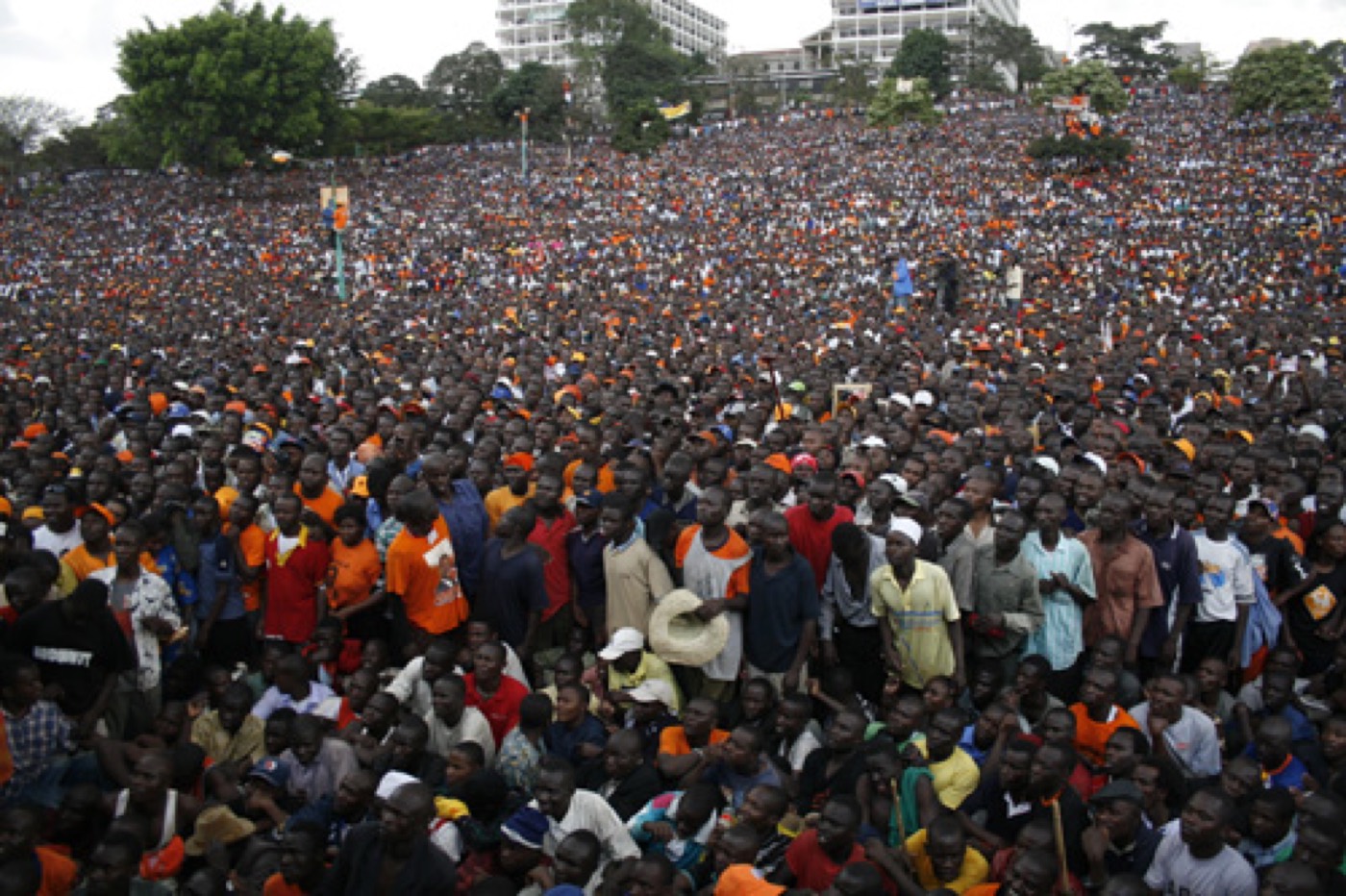
Kenya's opposition principals signed a unity pact on 24 August 2026 committing to select one presidential candidate jointly, The Star reported. As of 23 September they had not agreed how. The camp of Kalonzo Musyoka, leader of the Wiper Patriotic Front, favours a negotiated decision. The camps of Rigathi Gachagua, leader of the Democracy for Citizens Party (DCP), and Fred Matiang'i of the Jubilee Party have argued for an opinion poll. A third group, according to The Star, wants delegates to decide.
What the pact committed them to
The Star reported on 5 September that "on August 24, the principals signed a unity pact committing themselves to jointly select a presidential candidate", and that "they agreed to fully support and campaign for whoever is chosen." We reported on the signing in the Windsor unity pact.
No method or date has been published as part of the pact. The same report said the principals remained divided: "Some favor scientific opinion polling, others prefer boardroom consensus, while another faction wants delegates to decide."
Negotiation
Kalonzo's camp prefers a deal, according to reports of the principals' meeting on 1 September. The plan The Star described on 23 September shows what that would look like in practice: Kalonzo unveiled as joint candidate by 10 October, Edwin Sifuna (Senator, Nairobi) as his running mate, and the post of Prime Cabinet Secretary offered to Gachagua.
A negotiation can share out several prizes at once, from the candidacy and the running-mate slot to other offices and seats. Enoch Wambua (Senator, Kitui) argued, as The Star reported on 21 September, that delay helps Ruto.
The weakness is that whoever is left out has no reason to accept the result. Jeremiah Kioni of Jubilee said as much on 20 August, about a proposed Kalonzo-Gachagua pact: "A small group sitting to conspire against the other only helps to kill the goodwill people have given to that group."
An opinion poll
The Gachagua and Matiang'i camps were placed behind polling in reports of the 1 September meeting. When The Star reported the Kalonzo-Gachagua talks on 20 August, supporters of a deal said the coalition would field one candidate based on "popularity and proper arithmetic."
A poll appears to take the choice out of the principals' hands and hand it to voters, which is what the opposition says it wants. In practice everything turns on details that would have to be agreed in advance, from the pollster and the wording of the question to the sample and the date.
The 2026 polls already disagree on the order. TIFA's June poll had Sifuna at 15 per cent and Kalonzo at 13; Infotrak's June poll had Kalonzo at 13 and Sifuna at 12. Whoever is behind when the terms are set has little reason to sign. We looked at those numbers in what the 2026 polls suggest about a Kalonzo-Sifuna ticket.
Delegates
The Star did not name the faction that wants a delegates' vote. Kioni has made the same argument about Jubilee's own leadership.
Parties use delegates for their own nominations, and a result reached that way looks earned. Across several parties it is harder. It would need an agreed register of delegates drawn from separate membership lists, and parties do not submit membership lists to the Registrar until March 2027.
Nobody to run it
Any method needs a body to run it. "Our attempt to create a common secretariat aborted. I am head of a secretariat that doesn't exist," Mukhisa Kituyi, the opposition's spokesman, told The Star in early September. A technical committee under Arap Kirwa was reported to be working on how the Linda Mwananchi movement would join the talks.
The legal clock is slower than the political one. The Registrar's timelines, issued on 6 September, put coalition agreements in April and May 2027, and presidential nominations at the IEBC run from 29 May to 11 June 2027. Our explainer on what a coalition agreement must contain covers the documents.
What to watch
- Whether the Stone Athi retreat that The Star said was scheduled for late September produced an agreed method.
- Whether Gachagua, who was in the United States until 9 October, and Sifuna's camp accept any method Kalonzo's allies propose.
- Whether the method is written into a coalition agreement, with a date. The underlying arithmetic is set out in eight principals and one ticket.
Frequently Asked Questions
How will the Kenyan opposition choose its presidential candidate?
As of 23 September 2026 it had not agreed. The Star reported that some principals favour an opinion poll, others a negotiated deal, and another faction wants delegates to decide.
What did the opposition principals sign on 24 August 2026?
The Star reported they signed a unity pact committing to jointly select a presidential candidate and to campaign for whoever is chosen.
Who wants an opinion poll to pick the opposition candidate?
Reports of the principals' meeting on 1 September 2026 placed the Rigathi Gachagua and Fred Matiang'i camps in favour of polling, and Kalonzo Musyoka in favour of negotiation.