Which Election Decisions Can Be Appealed, and to Which Kenyan Court
An election appeal is narrower than almost anybody expects, and the disappointment usually arrives after the first instance judgment rather than before it.
You do not get to run the case again. You get to argue that the court below applied the law wrongly.
The route, seat by seat
A petition concerning a member of a county assembly is heard by a gazetted magistrate, and an appeal from that decision lies to the High Court.
A petition concerning a governor, senator, woman representative or member of the National Assembly is heard by the High Court, and an appeal lies to the Court of Appeal.
Whether anything lies beyond the Court of Appeal depends on the seat and on how the appellate provisions are read, and it is one of the genuinely contested corners of Kenyan election law. Do not take a general article's word for it, including this one. Ask your advocate about your specific seat, and ask them to show you the provision.
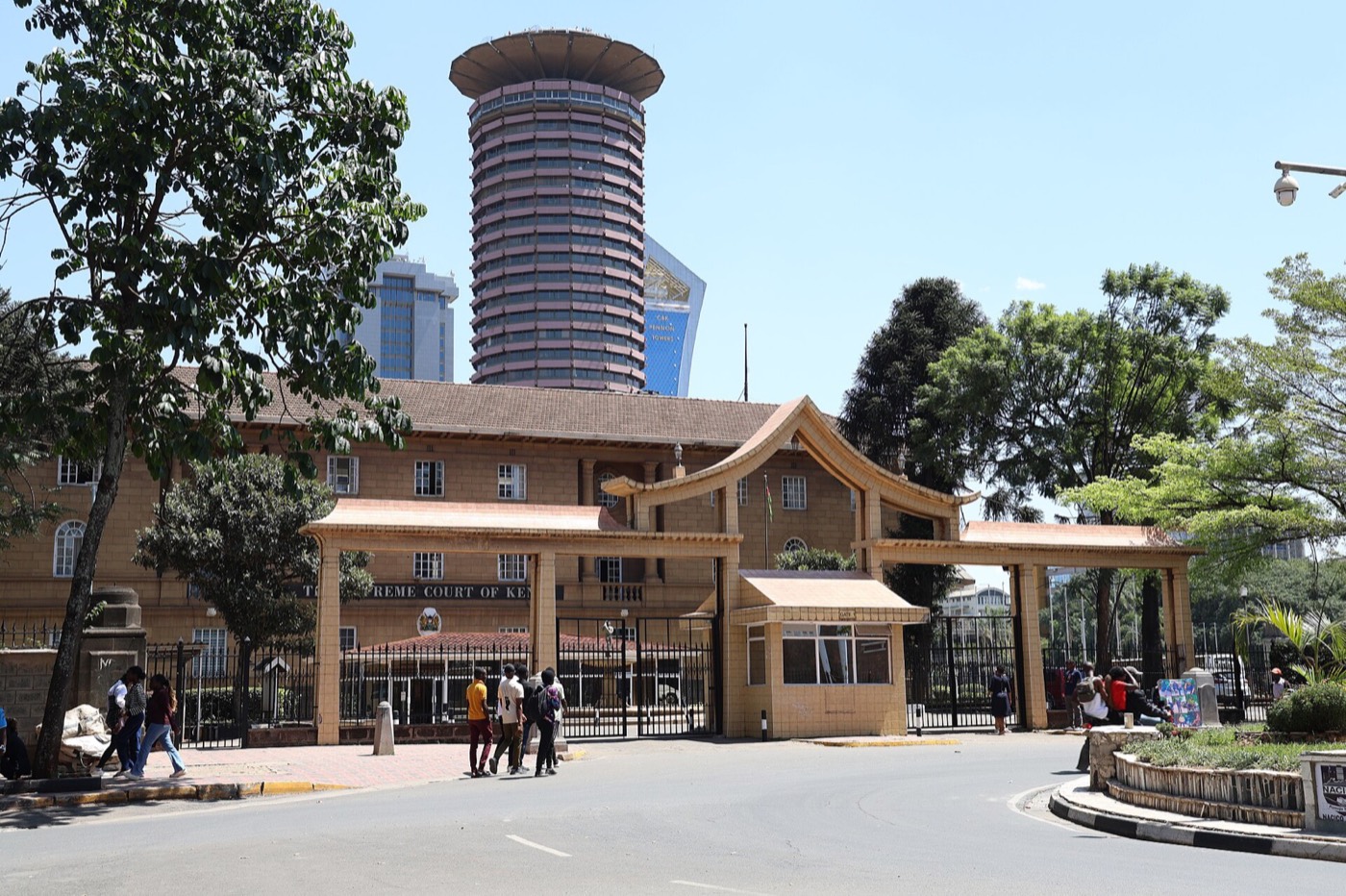
A presidential petition has no appeal at all. It begins and ends at the Supreme Court. Related: why that timetable exists.
What "matters of law only" excludes, and what it admits
Most of what a losing party wants to say.
You cannot ask the appellate court to prefer your witness to the other side's. You cannot ask it to reweigh affidavits, or to take a different view of a document both courts have seen, or to find that the judge was too generous to the commission on the facts.
Findings of fact made by the court that heard the evidence stand, unless the way they were reached discloses an error of law in itself.
A matter of law has four recognisable shapes.
The wrong test was applied. For example, treating any proven irregularity as fatal, or requiring a petitioner to prove more than the statute requires.
A finding had no evidential basis at all, which is an error of law rather than a disagreement about weight.
The court had no jurisdiction, or exercised one it did not have, including questions about whether the petition was filed in time.
A procedural requirement was ignored in a way that affected the outcome.
Related: the test being applied.
Appeals are on a clock too
Election appeals carry their own filing periods and their own determination deadlines, set by statute and by rules of court, and they are short by ordinary litigation standards.
The reason is the same reason the first instance timetable is short. Every day a seat is under challenge is a day the electorate is represented by somebody whose mandate is in question, and Kenyan election law is built to shorten that period rather than to explore every argument fully.
Ask the registry for the current periods, and diarise them the day judgment is delivered rather than the week after.
Why finality matters more than it sounds
A term is fixed. Every month spent in litigation is a month of the term gone, and the eventual holder of the seat serves the remainder rather than a fresh period.
That is a real strategic consideration and it deserves stating plainly. A campaign contemplating an appeal should ask what winning it delivers in practice: the seat for how long, at what cost, and against what alternative use of the same money and the same twelve months.
Related: the seat-by-seat first instance position.
The related dispute nobody plans for
Not every election dispute is an election petition. Party primaries and party membership questions run through internal party mechanisms and the Political Parties Disputes Tribunal, on their own timelines, well before any ballot is printed.
Those disputes decide whether you are a candidate. Election petitions decide whether an election stood. Confusing the two costs aspirants their nominations every cycle, because the tribunal's deadlines arrive first.
Related: how a court reads a challenge to an electoral timetable.
What to do about it in 2026
Get the structure in writing before you need it.
Ask your advocate, now, to write you one page: which court hears a petition for my seat, which court hears an appeal from it, what the filing periods are for both, and what a matter of law means in this context.
Keep that page in the campaign file with the date on it, and check it again in the months before 10 August 2027 in case the rules have been amended. A page that costs an hour in 2026 is the difference between a considered decision and a panicked one in the week after a judgment.
Frequently Asked Questions
Can you appeal a Kenyan election petition judgment?
For most seats yes, and the appeal is confined to matters of law. An appeal from a gazetted magistrate in an MCA petition lies to the High Court, and an appeal from the High Court lies to the Court of Appeal. A presidential petition has no appeal at all, because it begins and ends at the Supreme Court.
What does 'matters of law only' mean in an election appeal?
It means the appellate court will not reweigh the evidence, prefer a different witness or take a fresh view of documents both courts have seen. Findings of fact stand. What can be argued is that the wrong test was applied, that a finding had no evidential basis, that jurisdiction was lacking, or that procedure was ignored in a way that affected the outcome.
Are party primary disputes handled the same way as election petitions?
No. Party primary and membership disputes run through internal party mechanisms and the Political Parties Disputes Tribunal, on timelines that fall well before any ballot is printed. Those disputes decide whether you are a candidate at all, while an election petition decides whether an election stood.